%20-%20White.png)


California Minimum Wage Violations
Frontier Law Center represents California workers who have been paid below minimum wage. We focus on identifying how the underpayment happened, organizing the evidence, and helping you understand what your options may look like under California law.
Contact us

Please share your details and and our representative will contact your shortly.

Call us now at (800) 437-7991 or chat with us.
Schedule a free consultation about how to proceed with your case.
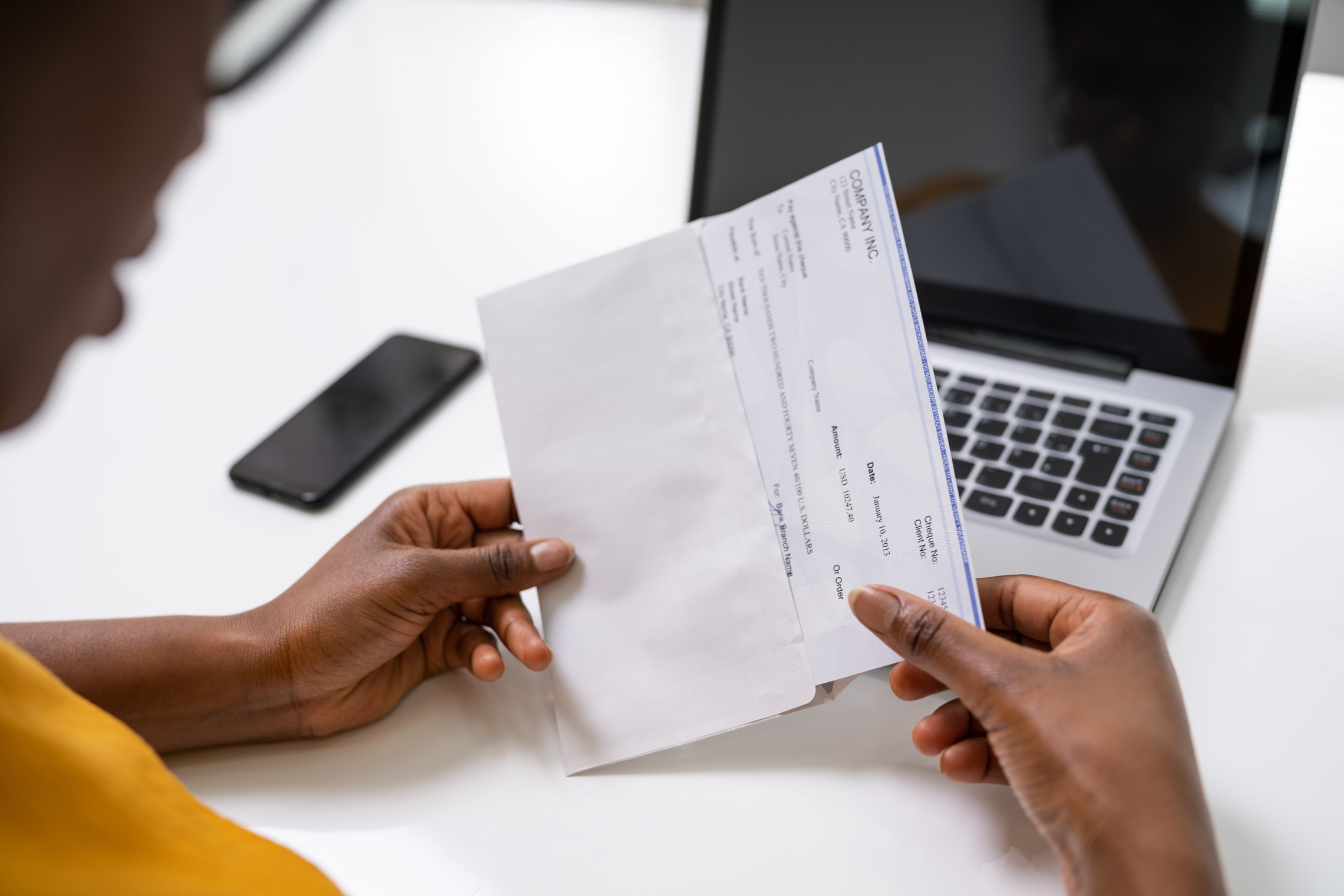
Getting shorted on your paycheck is more than frustrating. If you were paid below minimum wage in California, that can be illegal under the California minimum wage law and the current law that applies where you worked. In some situations, federal law may also apply.
This page explains what underpayment can look like in real life, what rules generally apply, whether you may be able to recover unpaid wages under California law, and what to do next.
What Counts as a Minimum Wage Violation in California
A minimum wage violation usually means you were not paid at least the required minimum wage for every hour you worked. That can happen because your hourly rate was set too low, like, for example, below the new minimum wage after a statewide minimum wage increase. It can also happen because your employer did not count all your hours or used deductions that pushed your effective pay below the legal floor.
The minimum wage that applies to you can change based on the date. It can also vary by city and county because some local rules set a higher minimum wage rate than the statewide baseline. In other words, there can be multiple minimum wage rates, and the higher minimum wage requirements applicable to you may depend on your work location and local entities (city, county, or other local government) that adopted local minimum wage increases. For example, workers in Los Angeles and many other California cities may be covered by a higher minimum wage specific to that city.

If you are unsure what minimum wage applied where you worked, it often depends on the year. California has increased the statewide minimum wage over time, and older pay periods may be governed by different rates.
Keep in mind that some cities and counties set higher local minimum wages. If you worked in a city like Los Angeles, San Francisco, or another jurisdiction with local wage laws, the applicable rate may be higher than the statewide minimum shown above.
Signs You May Have Been Underpaid

In our practice, workers often reach out because something feels “off,” but they cannot pinpoint why. In many cases, those issues turn out to be minimum wage violations under California law. Here are common red flags:
- Your hourly rate looks right, but your paycheck never matches your actual hours.
- You do small tasks before clocking in or after clocking out.
- You attend trainings or meetings and are told not to record the time.
- Your employer deducts money for uniforms, tools, shortages, or damages and it drops your pay below the legal minimum.
- Your pay stubs do not match your schedule, or they show missing time.
If any of this overlaps with your situation, it may be part of broader wage issues like time shaving, rounding practices, or unpaid overtime. Misclassification can also matter. For example, some employers label people as exempt employees when the role should be non-exempt. These problems can affect workers across many roles and industries.
For related problems that often show up in the same case, see our wage and hour violations page.
Real-World Ways Employers End Up Paying Below Minimum Wage
Minimum wage underpayment rarely shows up as one clean line item. It often comes from a pattern of illegal pay practices that quietly add up, especially in certain industries with shift work and timekeeping apps.
How Minimum Wage Underpayment Happens
In our experience, most minimum wage violations in California are not caused by one obvious mistake, they come from patterns like this that repeat over time. Below are examples of how an employer avoids paying minimum wage.
Off-the-Clock Work and Micro-Work

If you were doing work that benefited your employer, you generally should be paid for that time.
That includes logging into systems, booting up devices, setting up your station, closing duties, answering messages, and being told to handle “just a quick task.” A few minutes per shift adds up fast.
If this sounds familiar, see our page on off-the-clock work and micro-work.
Unpaid Training, Meetings, or Required Prep
If your employer requires you to attend training, meetings, or orientation, that time is often compensable. When it is not counted, your effective hourly pay can drop below the minimum wage that applies in your city or county.
Deductions That Drag Your Pay Below the Legal Floor
Some deductions are unlawful. Others are only allowed in narrow situations. Either way, if deductions leave you effectively earning less than minimum wage, that can support a claim for unpaid wages.
Common examples include uniforms, required equipment, tools, supplies, breakage, register shortages, and unexplained “fees” or paycheck adjustments.
Tip-Related Pay Problems in Service Jobs
Restaurants and other service workplaces can get complicated fast. If tips are pooled or handled unlawfully, it can change what you actually take home and whether your base pay meets the minimum wage rules.
This often comes up in service jobs like restaurants and other hourly work environments. Tip rules and timekeeping rules can also differ depending on how the workplace is structured and what most employers require in practice.
If tips are part of your job, our tip pooling violations page can help you spot related issues.
Pay Stubs and Time Records That Do Not Match Reality
Sometimes the rate is correct, but the hours are not.
If your pay stubs show fewer hours than you worked, or the timekeeping system rounds in a way that consistently benefits the employer, that can support a claim for unpaid wages. It can also pull your effective hourly pay below minimum wage. For more, see our unpaid wages page.
What the Law Generally Requires
California’s rules are worker-protective, but they can still feel confusing when you are living through it. Here are the basics that matter most.
You Should Be Paid for All Hours Worked
If you worked it, it should generally be tracked and paid. Time shaving, off-the-clock expectations, and pressure to work through breaks can all lead to underpayment.
In many cases, minimum wage issues also overlap with required overtime pay questions, because missing hours can affect both your minimum wage calculation and your overtime calculation.
Minimum Wage Is a Floor
Minimum wage is not a target. It is the minimum your employer must meet for every hour you worked, using the rate that applies where you worked.
In plain terms, if a local ordinance sets a higher minimum wage rate than the statewide standard, that higher rate usually controls. That is why workers can hear “minimum wage in California is X” and still be owed a different amount based on county and city rules.
If you want to see how federal minimum wage rules work, you can review the U.S. Department of Labor’s overview of theFair Labor Standards Act minimum wage.
You May Have Options Beyond Complaining to HR
Some workers report violations through a state process. Others pursue a claim in court. The right path depends on your job, your records, how long it has been going on, and whether retaliation is a concern.
Depending on the issue, you may also run into information from agencies and departments like the California Department of Industrial Relations (DIR) and other state agencies
For a plain-English overview of wage theft and what it can include, you can also review the California Labor Commissioner’s wage theft resources.
What You May Be Entitled to if You Were Paid Below Minimum Wage
What you can recover depends on the facts, your pay structure, and how long the problem lasted, including whether you can recover unpaid wages under California law. Many cases involve more than one violation.
Common recoveries may include:
- Back pay for the difference between what you were paid and what you should have been paid.
- Interest and statutory remedies that may apply
- Reimbursement for certain work-related expenses when expenses effectively reduced your pay
- Penalties tied to wage statement or pay practice violations, when supported by the facts
Some claims for unpaid minimum wages are commonly brought under Labor Code provisions that allow workers to sue for unpaid wages. If you want to see the statute language, you can review California Labor Code section 1194 on the official California Legislature site.
What You Can Do Right Now to Protect Yourself

You do not need to have everything figured out before you take a step. Start with what you can control.
Step 1: Save the Proof You Already Have
Keep pay stubs, timecards, schedules, texts, screenshots, tip records, and written policies. If your employer uses an app for timekeeping, save what you can.
Step 2: Write Down What Actually Happened
A simple timeline helps. Note your job title, where you worked, and your city and county. Write down your pay rate, your typical shifts, and the unpaid tasks you were expected to do.
If you worked at multiple locations, such as in different cities within the same county, note the addresses because that can affect which local ordinance applies and whether a higher minimum wage rate was required.
Step 3: Be Cautious About Confrontation if Retaliation Is a Concern
Some workers want to confront the employer right away. Others worry about retaliation. There is no one-size-fits-all approach.
If you raised concerns and your employer started cutting shifts, threatening you, or looking for reasons to write you up, that can be a serious warning sign.
Step 4: Talk With a Minimum Wage Lawyer in California
Underpayment cases can look simple at first and turn out to be part of a bigger pattern.
This can be especially true in industries with special rules or lots of local ordinances, like certain hospitality roles (including situations involving a citywide hotel worker minimum wage ordinance, sometimes tied to properties with 60 guest rooms or more), the restaurant space, or roles tied to large systems and contracts.
It can also come up in regulated settings. For example, some healthcare facility employers may be covered by specific wage rules, and workers may search for health care worker minimum wage FAQs to understand their rights.
If you are looking for a minimum wage lawyer California workers can talk to about paid below minimum wage California problems, our team can review your pay records and explain what your options may be.
How Frontier Law Center Helps With Minimum Wage Claims

We are a plaintiff-side employment law firm. We represent workers, not employers. When someone reaches out about underpayment, we focus on getting to clarity quickly.
Our team will:
- Identify the pay practice that caused the underpayment.
- Connect it to the records that matter most, like pay stubs, timekeeping data, schedules, and messages.
- Look for related wage issues that often travel together, like unpaid overtime, off-the-clock time, unlawful deductions, and paystub problems.
- Explain options in plain language so you can decide what makes sense for you.
We also operate as an AI-native firm, which helps us move faster on document review and pattern spotting. The point is not “tech for tech’s sake.” It is less busywork and more attorney focus on strategy, evidence, and results.
If you want to talk through what happened and get a practical read on your next step, we can help you understand what your options are and what next steps make sense. Call Frontier Law Center for a free consultation.

.svg)
Contact us
Please share your details and and our representative will contact your shortly.
Call us now at (800) 437-7991 or chat with us.
Schedule a free consultation about how to proceed with your case.
Related Topics: