
Your time has a dollar value. Every minute you spend working off the clock is a minute your employer is legally required to pay you for. California does not give employers much room on this, and the law covers more situations than most employees realize: from pre-shift prep and post-shift cleanup to after-hours messages and shaved timecards.
If any version of that sounds familiar, you may have a claim. Frontier Law Center represents California employees in wage and hour cases of all sizes, from individual disputes to class actions, at no cost unless we recover.

★★★★★5/5
“I highly recommend Frontier Law Center. Manny and his team made me feel welcome and very comfortable from the start.”
— Recent Client Review
Definition
What counts as working off the clock?
Working off the clock means any time you spend on work-related tasks without being paid for it. Under California's IWC Wage Orders, if your employer suffered or permitted you to work, that time is compensable, regardless of whether you received an explicit instruction to do so. This covers pre-shift prep, post-shift duties, unpaid training, after-hours messages, and remote work your employer expects outside scheduled hours.
Working Off the Clock Is Illegal in California
Together, California labor law and the federal Fair Labor Standards Act prohibit off-the-clock work and require employers to compensate employees for every hour worked. Employers cannot instruct or allow employees to work off the clock, and they carry a legal duty to maintain accurate time records for every hour an employee performs work-related tasks. Under California Labor Code Section 1194, employees can recover unpaid wages, overtime, interest, and attorney’s fees. Those penalties apply separately for each pay period in which a violation occurred, which means the total owed can compound significantly over time.
Even so, the law makes no exceptions because a manager said it was fine, because you kept working after clocking out, or because your employer frames it as standard policy. In other words, if your employer required or forced employees to work off the clock, those employees had a right to pay. Learn more about California’s statute of limitations for wage claims on our blog.

Common Off the Clock Violations in California
Working off the clock takes many forms, and some are far easier to miss than others. Below are the five violations Frontier Law Center sees most often.

Pre-Shift and Post-Shift Work
Arriving early to set up, staying late to close out, or completing required training before you clock in all count as compensable time. In some cases this overlaps with reporting time pay violations, which carry their own penalties.
Automatic Meal and Rest Break Deductions
When your employer deducts time for breaks you never actually received, that is a direct wage violation. California’s meal and rest break rules are strict, and missed breaks trigger a separate penalty on top of the unpaid time.
After-Hours Messages and Emails
If your employer consistently expects you to respond to calls, texts, or emails after you clock out, that time may be compensable under California law.
Edited or Falsified Employee Time Records
Employers who reduce hours on file, or use timekeeping systems that round down, violate California’s strict record-keeping requirements. Falsifying time records is wage theft.
Pressure to “Volunteer” Time
Clocking out and continuing to work is not voluntary under California law, regardless of whether you objected. Your employer cannot legally accept that arrangement.
What You Can Recover From an Off the Clock Work Claim
A successful off the clock work claim in California recovers more than back wages. Most employees qualify for several categories of damages at once.

Damages You Can Recover for Off the Clock Work
You can recover unpaid wages at your regular rate, unpaid overtime at 1.5x or 2x your rate, and waiting time penalties if your employer failed to pay at separation. PAGA allows recovery on behalf of other affected employees, and attorney’s fees shift to your employer if you prevail. In some cases courts also award liquidated damages equal to the unpaid amount, which can double your total recovery.

How an Attorney Strengthens Your Claim
Some employees file a wage claim on their own, but working with Frontier Law Center typically opens more recovery options from day one. We have represented employees in wage and hour class actions involving thousands of people, including a $5 million settlement for approximately 5,000 employees at a national service organization. You can see more results on our accomplishments page.

Your Protection Against Employer Retaliation
California law prohibits employers from punishing you for asserting your wage and hour rights. If your employer has already retaliated against you for speaking up, that creates a separate legal claim on top of your underlying wage case. You can learn more on our workplace retaliation page or read our post on workers’ comp retaliation and wrongful termination to see how these claims can overlap.
| Protected Activity | Your Protection | Relevant Law |
|---|---|---|
| Raising wage and hour concerns with your employer | Right to complain without being fired, demoted, or punished | CA Labor Code §98.6 |
| Filing a complaint with the DLSE or a government agency | Protection from any adverse employment action in response | CA Labor Code §98.6; §1102.5 |
| Participating in a wage and hour investigation | Right to cooperate without fear of reprisal | CA Labor Code §98.6 |
| Being fired or punished after speaking up about off the clock violations | Right to pursue a separate retaliation claim alongside your wage case | FEHA; CA Labor Code §98.6 |
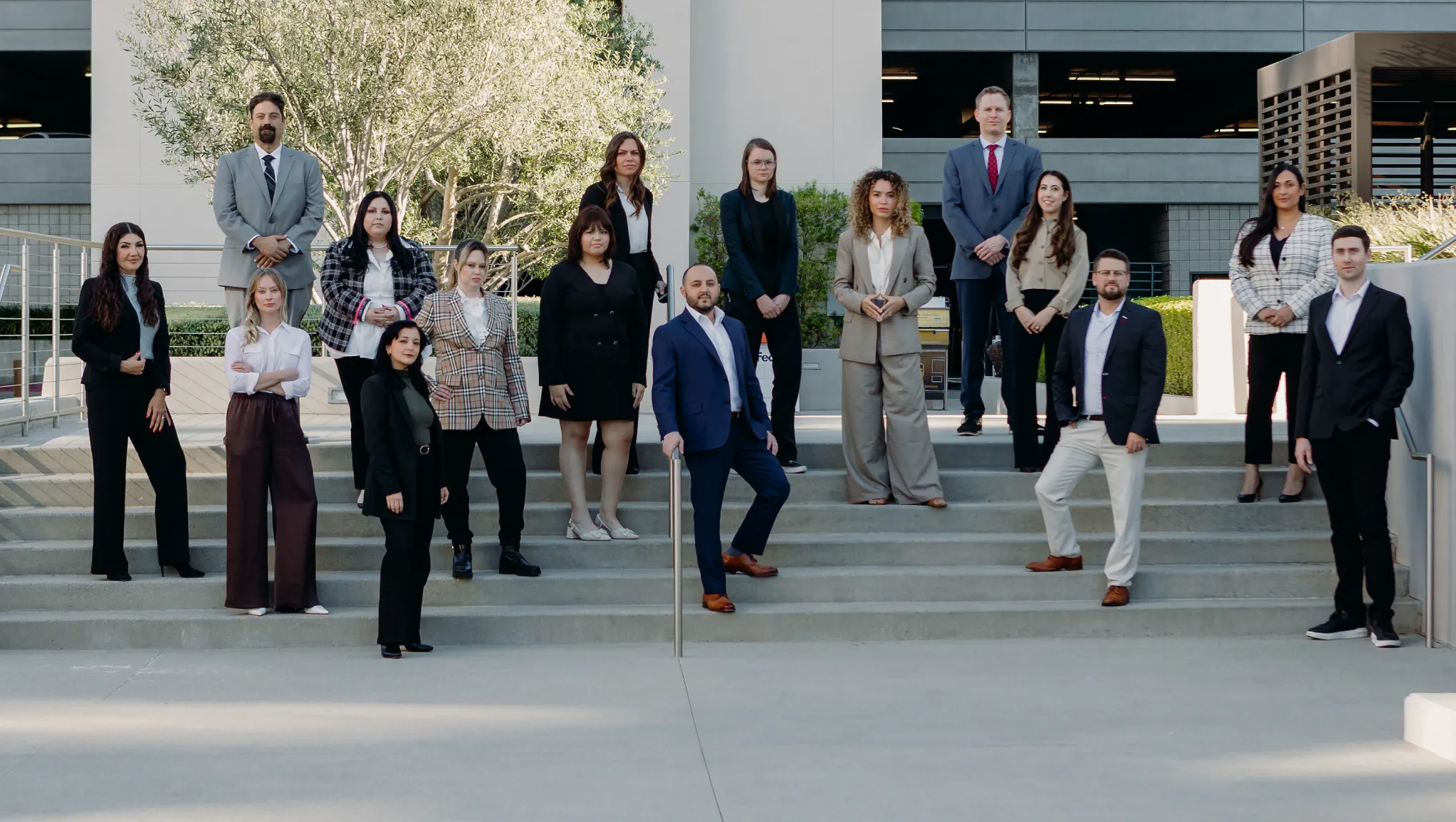
1
Kirsten Starr
Controller
2
Nicole Clancy
Senior Litigation Attorney
3
Mike Rachmann
Litigation Attorney
4
Robert Starr
Attorney, Founding Partner
5
Francine Barlavi
Client Onboarding Team
6
Danny Barlavi
Client Onboarding Team Lead
7
Kaylie Urango
Pre-Litigation Support Specialist
8
Amber Shelgren
Case Evaluation Assistant
9
Taylor McCarthy
Litigation Support Specialist
10
Gabriela Dominguez
Litigation Support Specialist
11
Cynthia Rodriguez
Case Manager
12
Collette Navasartian
Paralegal
13
Rebecca Harteker
Litigation Attorney
14
Manny Starr
Attorney, Managing Partner
15
Colin Rickard
Director of Growth & Operations
16
Mark Tieman
Attorney, Managing Partner
How Frontier Law Center Handles Off the Clock Work Claims
For many employees, reaching out to a law firm can feel like a big step, especially when you are not sure whether what happened to you was actually illegal. If you are looking for an off-the-clock claims lawyer in California, Frontier Law Center is built for exactly this.
FREE CASE EVALUATION
You tell us what happened. We review the details and let you know whether you have a viable claim. There is no cost, no obligation, and no pressure.
NO FEE UNLESS WE WIN
We work on a contingency basis, which means Frontier Law Center only gets paid when you do. You take zero financial risk to find out where you stand.
If we move forward together, our legal team, led by Managing Partner Manny Starr, gets to work gathering records, analyzing your time and pay data, and building the strongest possible argument. Manny has a track record in wage and hour class actions and PAGA representative actions across California. That includes a $5 million settlement for approximately 5,000 employees at a national service organization.
We also handle broader wage and hour claims beyond off the clock work, including unpaid overtime, meal and rest break violations, and final paycheck issues. If your employer has shortchanged you in more than one way, we can evaluate the full picture.
How Frontier Law Center Fights For You
California law provides strong employee protections. Does any of this match what you experienced?
1
You Share Your Story
Free, confidential, no pressure. We listen — and we give you an honest answer about your rights.
2
We Investigate
Our attorneys uncover what actually happened. You don’t lift a finger — we do the work.
3
We Fight for You
We negotiate hard and are fully prepared to go to trial. We fight for the maximum recovery.
4
You Move Forward
We only get paid when you win. You get closure, compensation, and a fresh start.
What California Employees Ask About Working Off the Clock
Below are the questions we hear most often from employees trying to figure out whether they have a case. If your situation is not covered here, the best next step is a free conversation with our team.
My Employer Says I Agreed to Work Off the Clock. Does That Matter?
No, California law does not allow employers to benefit from unpaid work, even when an employee appears to have agreed to it. Working off the clock voluntarily does not waive your right to pay under California law, and employers cannot accept that arrangement regardless of what you consented to. Even if you felt pressure to keep working without raising an objection, that still does not eliminate your right to be paid. In short, the right to wages for all hours worked is one that employees cannot sign away.
How Does California Define "Hours Worked"?
California defines hours worked more broadly than most employees expect. Any time your employer controls your activities or directs your work counts as compensable time. Specifically, this includes pre-shift prep time, post-shift duties, on-call time where your employer restricts your movements, and required training time. In many situations, travel time between job sites during a shift also qualifies. Similarly, working off the clock from home qualifies when your employer expects or permits that work. If you were working, or available to work at your employer’s direction, that time likely counts under California law.
My Employer Changed My Time Records Without Telling Me. What Can I Do?
Indeed, editing employee time records to reduce hours is a serious violation of California law and can constitute fraud. First, document everything you have: screenshots, written communications, and your own records of hours worked. Then reach out to Frontier Law Center for a free case evaluation. We can help you evaluate what evidence exists and what legal options are available to you.
Does My Salary or Exempt Status Change My Right to Pay?
It can, but in many cases employers misclassify employees who should be covered under California’s nonexempt protections. Most wage and hour protections apply to nonexempt employees, which includes hourly employees and many salaried employees who do not meet California’s strict legal definition of exempt status.
If your employer classifies you as exempt but your day-to-day duties are those of a nonexempt employee, that misclassification may be its own separate claim worth evaluating. You can read more about how overtime rules apply to salaried employees in California on our blog. Research on wage violations shows how common misclassification and off the clock violations are across the country, and California employees are among the most affected.
Can I Still File an Off the Clock Work Claim After Leaving the Job?
Yes, former employees have the same right to pursue unpaid wage claims as current employees. In fact, the three-year statute of limitations runs from the date of each violation, not from the date you left. If you left recently and believe your employer did not pay for all hours worked off the clock, you likely still have time to act.
The Same Policy Affected Everyone at My Job. Can We File Together?
If your employer’s off the clock practice affected multiple employees, a working off the clock lawsuit may be the most effective path to full recovery. Your claim may qualify as a class action or a PAGA representative action, both of which let employees pursue recovery collectively. As a result, the total amount recovered often increases significantly and sends a clearer message to the employer. Frontier Law Center has handled class actions and PAGA actions involving thousands of employees across California.
Last Updated: June 01, 2026
The information on this page reflects the law as of the date above and is intended for general informational purposes only. It does not constitute legal advice, nor does it create an attorney-client relationship. Laws and regulations are subject to change, and individual circumstances vary — always consult a qualified attorney for guidance specific to your situation.
Get a Free Case Evaluation From Frontier Law Center
Every shift you worked without pay, every time card your employer shaved, every message you answered after hours, California law says you deserve compensation for all of it. Frontier Law Center has recovered millions of dollars for California employees who were told this was just how things worked. It is not how the law works, and we are ready to prove it.
Your case evaluation with Frontier Law Center is completely free, with no obligation and no upfront cost. Tell us what happened and we will tell you exactly what it is worth.