
Your condition does not define what you can do at work. Your employer does not get to decide otherwise. Disability discrimination in California is illegal, and you may have more protection than you realize.
Yet here you are, reading this page, because something changed after they found out. Maybe it started subtly, with a cooler tone in meetings and feedback that used to be positive suddenly full of concerns. Or maybe it was not subtle at all. Maybe you asked for a simple change at work and got silence. Maybe you came back from medical leave to find your role had been restructured into something you did not recognize. Whatever happened, you are not imagining it.

★★★★★5/5
“I can’t say enough good things about Frontier Law Center. From the very beginning, they were professional, compassionate, and incredibly supportive. They guided me through every step of my case and always made sure I felt informed and empowered throughout the process.”
— Recent Client Review
Quick Answer
Is disability discrimination at work illegal in California?
Yes. Disability discrimination at work is illegal in California under the Fair Employment and Housing Act, or FEHA. If your employer treats you worse because of a physical or mental health condition, FEHA protects you. This includes being fired, demoted, passed over for a promotion, or denied a reasonable accommodation. California's protections go further than federal law and cover more conditions and more employers.
10,000
+
Workers Helped
100
M+
Recovered
10
+
Years in Practice
What Is Disability Discrimination?
Under California’s Fair Employment and Housing Act (FEHA), the definition of disability is broader than most people expect. In fact, FEHA covers any condition that limits a major life activity, even a little. Conditions like anxiety, back pain, diabetes, cancer, PTSD, and depression can all qualify. You are also covered if your employer just thinks you have a disability. California law does not require a formal diagnosis for protection.
Both job applicants and current employees have rights under FEHA. Plus, California law covers association discrimination. This means your employer cannot treat you badly because of your connection to a disabled person. FEHA protects disabled people at work, while other California laws extend similar protections to disabled students in schools.
California Gives You Stronger Rights Than Federal Law
The federal disabilities act sets a national floor. However, FEHA goes well beyond it. First, it covers employers with five or more employees, while the ADA only covers those with 15 or more. Second, FEHA covers conditions that “limit” a major life activity, while the ADA requires that a condition “substantially limit” one. Third, California law usually provides larger recoveries for employees who prevail. So if federal law seemed like it might not apply to your situation, California law may still protect you.

What Does Disability Discrimination Actually Look Like?
Disability discrimination claims rarely turn on one isolated incident. More often, a case is built from a pattern of events that connects directly to a health condition or a request for help.
California law also requires that your employer knew about your condition or had reason to know. That is why putting your requests in writing matters so much. When you ask for an accommodation and nothing changes, you are not just venting. You are creating a record that your employer was aware of the problem and chose not to address it.
Not every difficult workplace qualifies. A demanding manager, a role that changed over time, or a company going through cuts will not typically meet the legal threshold on its own. What separates a frustrating job from a legal claim is whether the treatment was connected to your disability and whether it changed the terms of your employment in a meaningful way.
The situations listed here represent the patterns Frontier Law Center sees most often when California employees reach out about a disability discrimination claim. Finding your situation in this list does not guarantee a winning case. What it means is that you should not count yourself out before speaking with someone who can evaluate the actual facts.
- Performance reviews that were once positive turned critical right after you disclosed your condition
- Accommodation requests came back denied with no explanation or follow-up conversation
- Promotions and opportunities stopped coming your way after your employer learned about your health condition
- Termination or a layoff followed shortly after you returned from medical leave
- Emails and requests for accommodation went unanswered, even after repeated follow-up
- Job duties, schedule, or work location shifted for the worse after you asked for support
- A performance improvement plan appeared with unrealistic standards after your health condition came to light
You do not need to know if what happened was illegal.
You just need to tell us what happened. Frontier Law Center will figure out the rest. Many of the employees we have represented started by saying they were not even sure they had a case.
How California Law Protects You at Work
California’s Fair Employment and Housing Act gives employees with disabilities two direct legal protections. Understanding both matters, because employers who violate them rarely say so outright.

Your Right to a Reasonable Accommodation
Under FEHA, your employer must provide a reasonable accommodation unless it creates genuine hardship for the business. Options like a flexible schedule, remote work, extra breaks, or a role change can all qualify. Your employer is also required to engage with you in good faith about what is possible rather than simply say no. Refusing that conversation or ignoring your request may violate California Government Code Section 12940.

Your Right to Keep Your Job
California law prohibits any firing based on a disability. Employers typically point to performance, layoffs, or restructuring instead of admitting the real reason, which is why timing matters so much. These cases almost always turn on the pattern between when your employer found out and when things changed. For more on how employers build a paper trail before a firing, see Frontier Law Center’s post on performance improvement plans in California. If your situation also created a hostile work environment, that matters too.
Steps to Take If You Think You Have a Case
If something at work changed after your employer found out about your condition, act now. The steps you take early can make a real difference in your case. Here is what Frontier Law Center recommends.

Document Everything
Save every email, text message, performance review, and accommodation request related to your situation. Also, write down the dates of key conversations and note who was present. A complete record is one of the most powerful tools in any disability discrimination case. Start building your record today, because timing matters in every case.
Put Your Accommodation Request in Writing
Write out your request and keep a copy for yourself. A doctor’s note describing your limits is usually enough to support your request. However, you do not need to share your full diagnosis with your employer. In fact, your employer has no right to your full medical records.
Do Not Sign Anything Without Talking to Frontier Law Center First
Some documents can take away your right to legal action entirely. So before you sign anything after a firing, demotion, or restructuring, contact Frontier Law Center first. This one step can protect your entire case.
How Long Do You Have to File a Disability Discrimination Claim?
California gives employees three years to file a complaint under FEHA. You file with the California Civil Rights Department. However, you should not wait to get started. Building a strong disability discrimination case takes time. Also, evidence gets harder to gather the longer you wait.
The table below shows the key filing deadlines for disability discrimination claims in California. Frontier Law Center tracks every deadline for you from day one. If you are not sure which clock applies to your situation, a free consultation is the fastest way to find out.
| Claim Type | Filing Body | Deadline |
|---|---|---|
| Disability discrimination under FEHA | California Civil Rights Department (CRD) | 3 years from the discriminatory act |
| Federal disability discrimination (ADA) | Equal Employment Opportunity Commission (EEOC) | 180 to 300 days from the discriminatory act |
| Civil lawsuit after right-to-sue notice | California Superior Court | 1 year from the right-to-sue notice |
| Retaliation for requesting an accommodation | California Civil Rights Department (CRD) | 3 years from the retaliatory act |
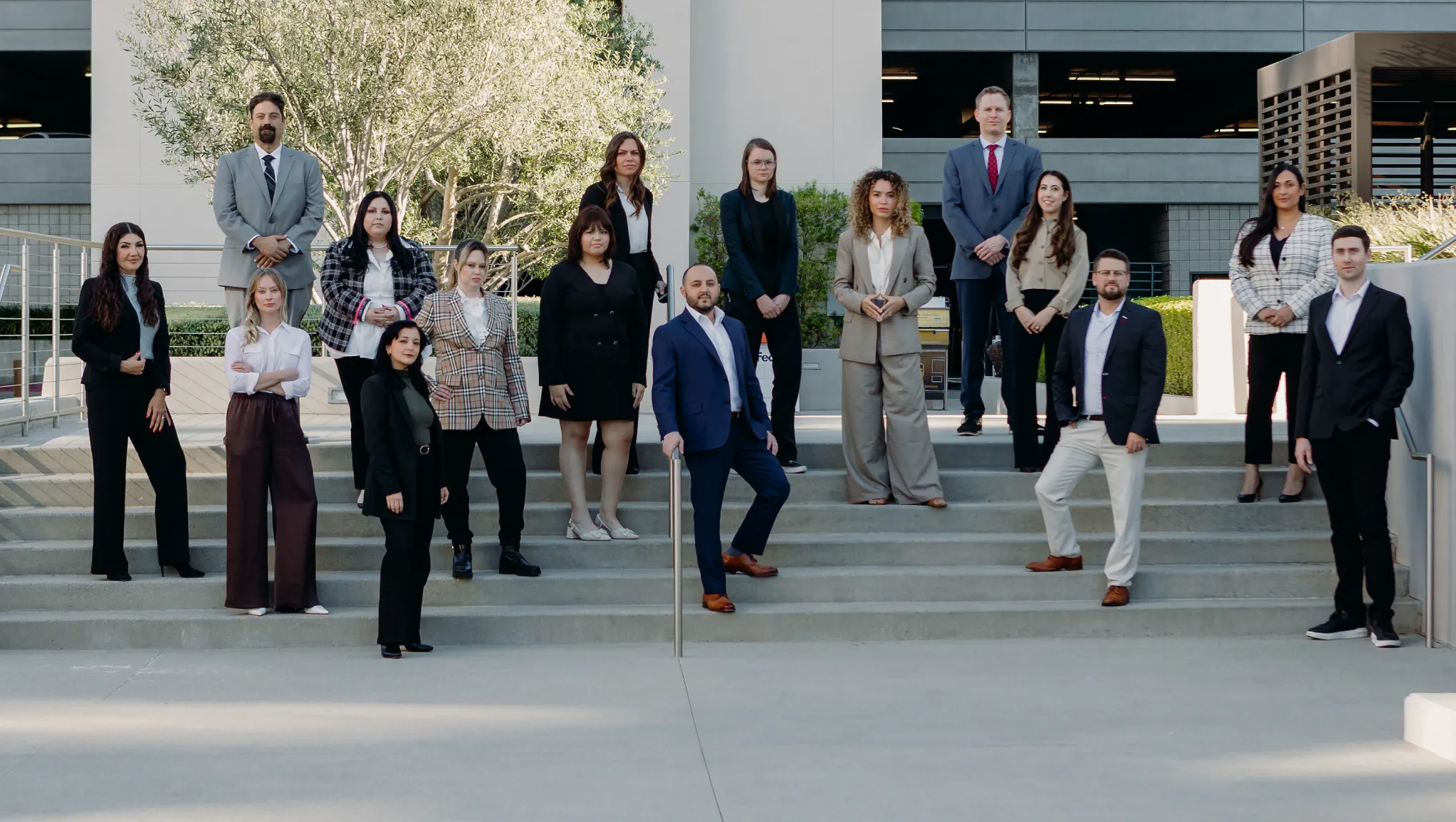
1
Kirsten Starr
Controller
2
Nicole Clancy
Senior Litigation Attorney
3
Mike Rachmann
Litigation Attorney
4
Robert Starr
Attorney, Founding Partner
5
Francine Barlavi
Client Onboarding Team
6
Danny Barlavi
Client Onboarding Team Lead
7
Kaylie Urango
Pre-Litigation Support Specialist
8
Amber Shelgren
Case Evaluation Assistant
9
Taylor McCarthy
Litigation Support Specialist
10
Gabriela Dominguez
Litigation Support Specialist
11
Cynthia Rodriguez
Case Manager
12
Collette Navasartian
Paralegal
13
Rebecca Harteker
Litigation Attorney
14
Manny Starr
Attorney, Managing Partner
15
Colin Rickard
Director of Growth & Operations
16
Mark Tieman
Attorney, Managing Partner
We’re on Your Side. Only Your Side.

100% Plaintiff-Side Practice
We never represent employers. Every resource, every strategy is dedicated to helping employees like you win.

We Actually Listen
Many firms rush through consultations. We take time to understand your full story — because details that seem small can be decisive.

California Specialists
California has the most powerful employee protection laws in the country. We know them deeply and use every one to your advantage.
Our Commitment to You
We never represent employers. Every resource, every strategy is dedicated to helping employees like you win.
100%
Confidential
No Fee
Unless we win
How Frontier Law Center Fights For You
California law provides strong employee protections. Does any of this match what you experienced?
1
You Share Your Story
Free, confidential, no pressure. We listen — and we give you an honest answer about your rights.
2
We Investigate
Our attorneys uncover what actually happened. You don’t lift a finger — we do the work.
3
We Fight for You
We negotiate hard and are fully prepared to go to trial. We fight for the maximum recovery.
4
You Move Forward
We only get paid when you win. You get closure, compensation, and a fresh start.
Questions California Employees Ask About Disability Discrimination
These are the questions that employees across California ask most often when they suspect disability discrimination. If your question is not here, a free consultation with Frontier Law Center is the fastest way to get a direct, honest answer about your specific situation.
Does My Condition Qualify as a Disability Under California Law?
Your condition very likely qualifies under California law. FEHA covers any physical or mental health condition that limits a major life activity, even a little. For example, anxiety, depression, chronic pain, cancer, and PTSD all qualify. Also, you are covered if your employer just thinks you have a disability, even without a formal diagnosis. California built this definition to be broad on purpose, because the law is designed to protect employees, not create obstacles for them.
What Is the Interactive Process for Disability Accommodations?
The interactive process is a required conversation between you and your employer about possible accommodations. When you ask for a change at work, California law says your employer must engage with you in good faith to find a solution that works. Simply saying no is never enough under California law. In fact, refusing to have that conversation at all may violate California Government Code Section 12940(n). That failure alone can form the legal basis of a disability discrimination claim.
Can I Be Fired for Requesting an Accommodation?
No, and this is something California law treats very seriously. Requesting reasonable accommodations is a protected activity under FEHA. So your employer cannot punish you for asking, whether that means a termination, a demotion, a schedule change, or added pressure at work. For more on how retaliation and discrimination connect, see Frontier Law Center’s blog on wrongful termination and retaliation in California.
What Can I Do if My Employer Denied My Accommodation Request?
You may have grounds for a legal claim. A denial is not the end of the road, and it does not mean your employer followed the law.
Under FEHA, your employer must explore all available options and engage in the interactive process before turning down any request. If they skipped that step, went silent, or gave no real reason for the denial, that failure may be the basis of a disability discrimination or failure-to-accommodate claim.
The first thing to do is document the denial in writing, including the date, who told you, and exactly what they said. Then contact Frontier Law Center before you respond to your employer or sign anything. What you say and do in the days after a denial can affect your case.
What Is the Difference Between FEHA and the ADA?
FEHA provides stronger protections than the ADA in three key ways:
- Employer coverage: FEHA covers employers with five or more employees. The ADA only covers those with 15 or more.
- Disability definition: FEHA covers conditions that simply “limit” a major life activity. The ADA requires that a condition “substantially limit” one, which is a much higher bar.
- Recoveries: California law typically provides larger damages for employees who prevail in a disability discrimination case.
For most disabled applicants and employees in California, FEHA is the stronger path. Frontier Law Center can help you understand which law fits your situation best.
Do I Have to Share My Diagnosis to Request an Accommodation?
No, you do not need to share your specific diagnosis with your employer. You only need to give your employer enough information to know you have a condition and need a change at work because of it. A doctor’s note describing your functional limits is usually enough to support that request. However, your employer has no right to your full medical file. If your employer demands more than the law allows, contact Frontier Law Center before you share anything further.
Last Updated: June 01, 2026
The information on this page reflects the law as of the date above and is intended for general informational purposes only. It does not constitute legal advice, nor does it create an attorney-client relationship. Laws and regulations are subject to change, and individual circumstances vary — always consult a qualified attorney for guidance specific to your situation.
Find Out If You Have a Case With Frontier Law Center
If something at work changed after your employer found out about your condition, you deserve a straight answer. A free consultation with Frontier Law Center means an honest look at what happened and whether you have a case.
Managing Partner Manny Starr and our disability discrimination attorneys have represented employees across California. Your first consultation is free, confidential, and comes with no obligation.