
Medical leave should be protected time. If your employer punished you for taking it, a family medical leave lawyer can help you understand your rights and what to do next. Whether you are recovering from surgery, caring for a sick parent or spouse, or bonding with a new child, the law says your job should be waiting when you come back.
For many California employees, that is not what happens. Some return to find their role gone. Others, however, face sudden write-ups that did not exist before leave. Still others are told the position no longer exists. In short, these patterns are not accidents. California law gives you real options to fight back.

★★★★★5/5
“I spoke to Danny… I had an absolutely fantastic experience here. He went above and beyond to make me feel welcome. The atmosphere is warm, clean, and inviting, and every little detail seems thoughtfully considered.”
— Recent Client Review
Quick Answer
What is an FMLA or CFRA violation in California?
An FMLA or CFRA violation occurs when a covered California employer interferes with an employee's right to take protected medical leave, retaliates against them for exercising that right, or fails to restore them to their prior position after leave ends. Both federal and California law prohibit these actions. Violations include denying a valid leave request, issuing write-ups after an employee returns, reassigning them to a lesser role, or terminating them during or shortly after protected leave. California's CFRA applies to employers with five or more employees, which is a much broader reach than the federal 50-employee threshold.
10,000
+
Workers Helped
100
M+
Recovered
10
+
Years in Practice
What a Family Medical Leave Lawyer Can Do for You
Before you make any decisions, a family medical leave lawyer covers the ground most employees miss on their own:
- Reviews your records and checks whether your employer got the eligibility rules right
- Spots interference and employer retaliation patterns that are easy to overlook
- Calculates what your case may be worth and explains your full range of options
- Flags issues with medical certification, eligibility claims, and paperwork timelines
That kind of early clarity is often the most valuable thing you can get.

Can You Be Fired While on Medical Leave in California?
California law sets a high bar for any termination that happens during or shortly after protected leave.

What Standard Do California Courts Apply?
Your employer can only fire you during protected leave if the reason has nothing to do with your leave and would have existed regardless. A genuine company-wide layoff with documentation that predates your leave can meet that standard. A restructuring that targets one person who happens to be on protected leave almost never does.
How Do Employers Try to Cover a Pretextual Firing?
Employers know this rule, which is why decisions driven by leave are often dressed up with retroactive paperwork. Last-minute performance reviews, new memos, and reorganization documents appear after the fact to justify what really happened. If adverse action followed closely after your leave, that timing matters and is worth examining with an FMLA attorney.
What Should You Do If You Were Fired During Leave?
Save every email, HR communication, performance review, and employee handbook section you still have access to. Do not sign any severance or release agreement before an attorney reviews it. Documentation gathered early is substantially more useful than documentation assembled after the fact.

Your Core Protections Under Both Medical Leave Laws
California employees dealing with a medical leave issue often have two overlapping laws on their side at the same time. Here is what each one covers.

What the Family and Medical Leave Act Covers
The Family and Medical Leave Act is a federal law giving eligible employees up to 12 weeks of unpaid, job-protected leave per year. It applies to employers with 50 or more employees and covers leave for a serious health condition, to care for a qualifying family member, or to bond with a new child. To qualify, you must have worked at least 1,250 hours for that employer in the past 12 months. FMLA guarantees your right to return to the same position and prohibits any retaliation for taking or requesting leave.

What the California Family Rights Act Covers
The California Family Rights Act is California’s parallel law, and it reaches further than FMLA in two key ways. It applies to employers with five or more employees, and it covers a wider range of family members including grandparents, grandchildren, siblings, parents-in-law, a spouse, and a designated person of your choosing. In most cases, both laws run at the same time. When a pregnancy-related condition is also involved, disability protections under FEHA may add further coverage beyond the standard 12-week window.
Types of Violations and What They Look Like
FMLA and CFRA violations rarely look the way most employees expect them to. An employer is unlikely to say directly that your leave was the reason for what happened. Instead, the action tends to be framed as a business decision, a performance issue, or a restructuring that had nothing to do with you. That framing is deliberate, and it is one of the first things an FMLA violations attorney examines.
The law reaches much further than termination alone. Violations can happen before your leave starts, when your employer discourages you from requesting time off or questions whether you really qualify. They can happen while you are out, when HR shares medical details that should have stayed private or your manager starts calling to push you back early. They can also happen when you return, if your role looks different from the one you left.
What connects these situations is that each one interferes with a right the law specifically protects. The situations below represent the most common patterns Frontier Law Center sees when California employees reach out after a protected leave goes wrong. If any of them sound familiar, that is worth discussing with an attorney before you assume you have no options.
You don’t need to have all the answers.
You just need to tell us your story. We’ll figure out if it was illegal. Many of our most successful clients started by
saying “I’m not even sure I have a case.”
-
Reported harassment and conditions got worse instead of better
- Were demoted, stripped of job duties, or moved to an undesirable position with no real function
- Returned from protected leave and your role was unrecognizable when you came back
- Your pay or hours were cut without a legitimate business reason
- Reported illegal activity and management started building a paper case against you
- Were placed on a Performance Improvement Plan with unrealistic performance requirements
- Sexual harassment or discrimination went unaddressed after you reported it formally
In fact, each of these is a possible legal claim. This is true even when an employer calls it a routine business decision.
Interference vs. Retaliation: Two Different Legal Claims
Not all FMLA and CFRA violations work the same way. California law separates them into two distinct types, and knowing which one applies to your situation shapes how a case gets built.
What Interference Looks Like
Interference happens before or during leave. It includes denying a valid leave request, claiming an eligible employee does not qualify, failing to provide required notices, and pressuring a covered employee to skip leave they have earned. The employer does not need hostile intent for this to count. Blocking the right is the violation, regardless of how it is framed.
What Retaliation Looks Like
Retaliation happens after you exercise your leave rights. It surfaces as a sudden bad performance review, a demotion, a pay cut, being cut out of meetings, or termination shortly after returning. Many cases involve both types at once. If your employer denied your leave request and then fired you when you took it anyway, that is interference and retaliation running together as two separate violations.

What You Can Recover With an FMLA Attorney
California employees who win FMLA or CFRA cases can get a real set of damages. However, the exact mix depends on your case. CFRA claims can also stack with other California causes of action. For example, disability bias under FEHA and wrongful termination in violation of public policy are two common ones. Both can expand your total recovery.
| Type of Recovery | What It Covers |
|---|---|
| Lost wages (back pay) | Pay and benefits lost from the date of the violation through resolution |
| Front pay | Future earnings if going back to that employer is not realistic |
| Liquidated damages | An extra penalty equal to back pay for willful FMLA violations, which doubles the back-pay recovery |
| Emotional distress damages | Pay for the harm and stress the employer's violation caused you |
| Attorney's fees and costs | Legal fees and costs the employer may have to pay if you win |
Filing Deadlines and Where to File Your Claim
Missing a deadline can end a strong case. FMLA and CFRA use different time limits and different filing venues. The table below shows the key windows for each. These windows can shift based on your facts. Equitable tolling and other legal theories can, however, change the timeline. As a result, getting a legal review early is always the safest move.
| Claim Type | Filing Body | Deadline |
|---|---|---|
| FMLA violation (standard) | U.S. District Court or California Superior Court | 2 years from the date of violation |
| FMLA violation (willful) | U.S. District Court or California Superior Court | 3 years from the date of violation |
| CFRA violation | California Civil Rights Department (CRD) | 3 years to file admin complaint; 1 year to file suit after right-to-sue letter |
The Patterns a Family Medical Leave Lawyer Sees Most Often in California

The Surprise Restructuring
An employee returns from leave to find their position has been eliminated. They are offered a new title with less pay, fewer responsibilities, or a different team. Employers frame it as a business decision. The timing rarely supports that story.
Manufactured Performance Issues
A strong performer with solid reviews returns from leave and suddenly has write-ups, a performance improvement plan, or coaching memos that never existed before. Reviewing when that paperwork first appeared is one of the first things an attorney will examine.
Manufactured Performance Issues
A strong performer with solid reviews returns from leave and suddenly has write-ups, a performance improvement plan, or coaching memos that never existed before. Reviewing when that paperwork first appeared is one of the first things an attorney will examine.
Eligibility Denials Through Miscounting
The employer tells the employee they did not work the required 1,250 hours, even when payroll records say otherwise. Employers also apply FMLA’s 50-employee threshold while ignoring CFRA’s five-employee rule, which covers far more California employees.
Medical Privacy Violations
Health details shared with HR end up in conversations with managers or coworkers who had no need to know. This breaks both leave law requirements and medical privacy protections in employment.
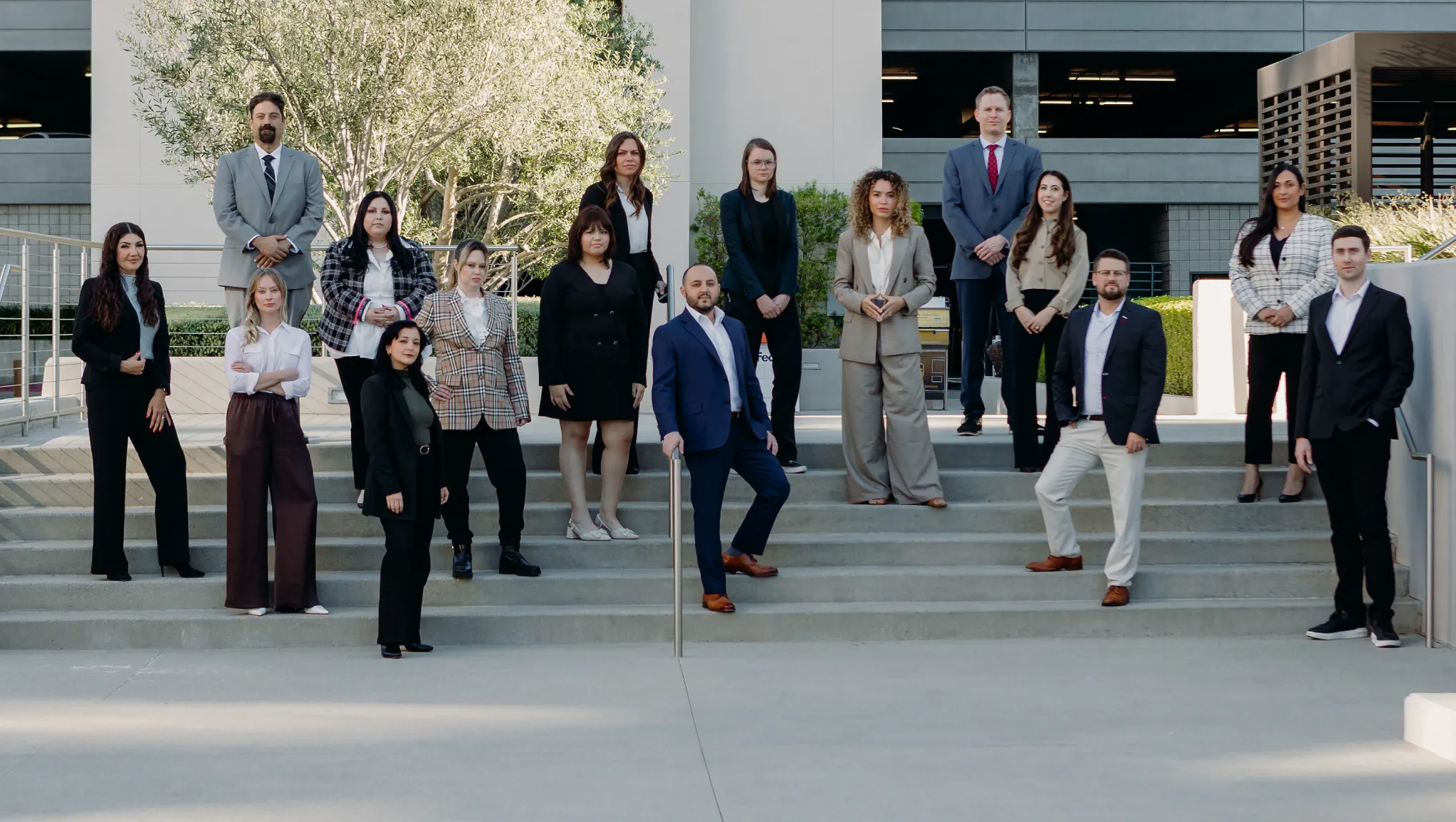
1
Kirsten Starr
Controller
2
Nicole Clancy
Senior Litigation Attorney
3
Mike Rachmann
Litigation Attorney
4
Robert Starr
Attorney, Founding Partner
5
Francine Barlavi
Client Onboarding Team
6
Danny Barlavi
Client Onboarding Team Lead
7
Kaylie Urango
Pre-Litigation Support Specialist
8
Amber Shelgren
Case Evaluation Assistant
9
Taylor McCarthy
Litigation Support Specialist
10
Gabriela Dominguez
Litigation Support Specialist
11
Cynthia Rodriguez
Case Manager
12
Collette Navasartian
Paralegal
13
Rebecca Harteker
Litigation Attorney
14
Manny Starr
Attorney, Managing Partner
15
Colin Rickard
Director of Growth & Operations
16
Mark Tieman
Attorney, Managing Partner
We’re on Your Side. Only Your Side.

100% Plaintiff-Side Practice
We never represent employers. Every resource, every strategy is dedicated to helping employees like you win.

We Actually Listen
Many firms rush through consultations. We take time to understand your full story — because details that seem small can be decisive.

California Specialists
California has the most powerful employee protection laws in the country. We know them deeply and use every one to your advantage.
Our Commitment to You
We never represent employers. Every resource, every strategy is dedicated to helping employees like you win.
100%
Confidential
No Fee
Unless we win
How Frontier Law Center Fights For You
California law provides strong employee protections. If your case also involves pregnancy leave or PDL or a disability accommodation, those rights may apply as well. Our legal resources page covers related rights across California employment law.
1
You Share Your Story
Free, confidential, no pressure. We listen — and we give you an honest answer about your rights.
2
We Investigate
Our attorneys uncover what actually happened. You don’t lift a finger — we do the work.
3
We Fight for You
We negotiate hard and are fully prepared to go to trial. We fight for the maximum recovery.
4
You Move Forward
We only get paid when you win. You get closure, compensation, and a fresh start.
Frequently Asked Questions About FMLA and CFRA Leave
The questions below are the ones California employees ask most when evaluating whether to work with a family medical leave lawyer or FMLA attorney. These answers are meant to help you get started. However, they are not legal advice on your specific case.
Do I Need a Family Medical Leave Lawyer for an FMLA or CFRA Claim?
You do not have to hire an attorney. But working with one makes a real difference. FMLA violation lawyers spot issues you might miss on your own. They build the record employers will contest. They figure out the full range of damages you can recover. Many employees who go it alone settle for less than their case is worth. Some miss a deadline and lose the right to file.
What Does an FMLA Attorney Charge in California?
Most FMLA attorneys in California, including those at Frontier Law Center, work on a contingency basis. You pay no fees unless your case resolves in your favor. That means a free review and full legal work at no cost to you up front.
What Is the Difference Between FMLA and CFRA for California Employees?
CFRA gives broader FMLA protections to most California employees. FMLA covers employers with 50 or more employees. CFRA covers California employers with five or more. CFRA also protects a wider range of certain family members, including siblings, grandparents, grandchildren, parents-in-law, a spouse, and a designated person of your choosing. When an employer meets both thresholds, both laws apply at the same time.
What Happens If My Employer Denies My FMLA Leave Request?
An improper denial is an interference violation under both federal and California law. Ask for the basis in writing. Employers often miscount hours or use the wrong employer-size threshold. Additionally, CFRA’s five-employee rule sometimes applies even when FMLA does not. An FMLA violations attorney can review the denial and tell you if it holds up.
How Long Do I Have to File an FMLA or CFRA Claim in California?
You have two years to file an FMLA claim. That goes up to three years for willful violations. CFRA claims, however, start at the California Civil Rights Department. You have three years to file an admin complaint there. After you get a right-to-sue letter, you have one year to file a civil suit. Therefore, act early. Deadlines can shift, and waiting can cost you your options.
Is FMLA Leave Paid in California?
FMLA and CFRA leave are both unpaid under federal and state law. But California employees can get wage replacement through State Disability Insurance and Paid Family Leave from the California EDD. Those benefits run alongside your leave. They do not cut into the 12 weeks of job protection you are entitled to.
Last Updated: June 01, 2026
The information on this page reflects the law as of the date above and is intended for general informational purposes only. It does not constitute legal advice, nor does it create an attorney-client relationship. Laws and regulations are subject to change, and individual circumstances vary — always consult a qualified attorney for guidance specific to your situation.
Work With a Family Medical Leave Lawyer at No Upfront Cost
If your employer denied your leave, refused to restore your position, or let you go while you were on protected leave, you may have a strong claim under California and federal law. A family medical leave lawyer at Frontier Law Center gives you a clear view of your rights, your deadlines, and what your situation may realistically be worth with no commitment required.
The attorneys at Frontier Law Center focus entirely on representing California employees, and FMLA and CFRA violations are among the cases we handle most often. Reach out today.