
Age discrimination in California doesn’t usually announce itself. It shows up as a new manager who stops including you, projects that dry up, and eventually a performance improvement plan for things nobody ever flagged before. Or you get laid off, and almost everyone let go was over 50 while the people who stayed were a lot younger.
If that sounds familiar, you’re not imagining it. At Frontier Law Center, we represent California employees who’ve been pushed out, passed over, or written up because of who they are, not how they work. The law is on your side in ways many employees never realize.

★★★★★5/5
“Awesome service! When I had any doubts or questions they were always there for me I would highly recommend them to anyone”
— Recent Client Review
Quick Answer
What is age discrimination in California?
Age discrimination in California occurs when an employer makes any work-related decision based on the fact that an employee is 40 or older. This covers hiring, firing, promotions, demotions, pay, and working conditions. California's Fair Employment and Housing Act (FEHA) protects employees at companies with five or more employees and offers stronger protections than federal law, including broader coverage, higher potential damages, and a longer window to file a claim.
10,000
+
Workers Helped
100
M+
Recovered
10
+
Years in Practice
What Age Discrimination Looks Like in a California Workplace
Age discrimination rarely shows up with a manager saying “you’re too old.” More often, it builds from a pattern of decisions that all point in the same direction once you step back and look at them together.
Under California law, any work-related decision an employer makes based on the fact that you’re 40 or older is illegal. That includes hiring, firing, promotions, demotions, pay, and working conditions. It doesn’t matter how the employer labeled the decision. If age drove it, California law covers it.
The situations in this list represent the patterns Frontier Law Center sees most often when California employees reach out about age-related treatment at work. Finding your situation here doesn’t guarantee a case. What it means is that you should not count yourself out before speaking with someone who can evaluate the actual facts.
You don’t need to know the legal term for what happened. You just need to recognize the pattern. Many of the employees we’ve helped started by saying “I’m not even sure what happened to me was illegal.”
Signs and examples of age discrimination in California workplaces:
- Laid off while almost everyone else let go was over 50
- Role “restructured” shortly after a new director joined to “refresh the team”
- Passed over for a promotion that went to someone younger and less experienced
- First negative performance review after years of strong ratings with no major change in your work
- Sudden PIP with closer tracking of absences and minor mistakes managers previously ignored
- Quietly removed from key meetings, projects, or decisions without explanation
- Age-related comments dressed up as jokes: “old-school,” “fresh energy,” “not a culture fit”
- Cut off from training opportunities or excluded from new projects
- Job postings for roles you qualified for used language like “recent grad” or “digital native”
- Pressured to sign an “early retirement” package quickly
Who’s Protected Under California’s Age Discrimination Laws
California does not require your employer to hand you a termination letter for the law to treat your departure as a firing. When the conditions at work become severe enough, your resignation can carry the same legal weight as being let go. Understanding where that line is and how courts draw it is the first step in evaluating whether you have a claim.

FEHA: California’s Broader Protection
California’s Fair Employment and Housing Act protects employees who are 40 or older at any company with five or more employees. The California Civil Rights Department (CRD) enforces it under California Government Code § 12940. FEHA is the law most California employees rely on because it covers more employers, allows for bigger damages, and gives you a longer window to file a claim than federal law does.

ADEA: Federal Baseline Coverage
The federal Age Discrimination in Employment Act protects employees 40 and older at companies with 20 or more employees. The EEOC enforces it. For California employees, the ADEA sets the floor, but FEHA almost always provides stronger protection. The federal filing deadlines are also much shorter, which is one reason most California employees pursue claims under state law first.

How to Prove Age Discrimination in California
Most age discrimination cases never produce a smoking gun, and the law doesn’t require one. California courts apply the McDonnell Douglas burden-shifting framework to evaluate these cases. It’s a legal standard built around the reality that discrimination rarely leaves a paper trail. Courts look instead for patterns of unlawful disparate treatment across the full employment relationship.
To build a case, you need to show a pattern: that you held the qualifications, that the employer took an adverse action against you, and that age drove the decision. You also need to show that the employer’s “official” reason doesn’t hold up. Attorneys call that pretext, and it’s often where cases turn.

Performance Reviews
All written reviews from before and after things changed are your starting point. A record of consistently strong performance followed by sudden criticism is one of the clearest forms of pretext a court can evaluate. Pay close attention to any shift in tone or ratings that arrived without a clear explanation.
Supervisor and Manager Communications
Emails, Slack, or Teams messages that show a change in how your supervisor or managers treated you carry significant weight. What projects they stopped assigning you, how their tone shifted in writing, and what changed in their expectations before versus after a new director arrived can all paint a clear picture.
Age-Related Comments
Write down who said what, when they said it, and who else heard it. Comments like “old-school,” “not a culture fit,” or “fresh energy” don’t prove a case on their own, but they become part of the pattern courts look at when evaluating whether age drove the employer’s decisions.
Layoff or Org Chart Data
A side-by-side look at who the company kept versus who it let go, with approximate ages and any selection criteria the company used, can be some of the most powerful evidence available. A clear pattern in the numbers is often what turns a strong argument into a provable case.
Timeline of Events
A clear record of when your responsibilities changed, when a PIP arrived, and when new leadership came in tells the story of cause and effect. Note how quickly things shifted after each event. Timing is often the thread that connects everything else.
California Filing Deadlines You Can’t Afford to Miss
Age discrimination in California claims have hard deadlines. Missing them can end an otherwise strong case.
Under FEHA, you generally have three years from the discriminatory act to file with the CRD. After that, you have one more year to file a lawsuit once you receive a right-to-sue letter. The federal ADEA route through the EEOC is much shorter, usually 180 to 300 days. That’s why most California employees file under FEHA instead.
If something happened a year or two ago, don’t guess. Our breakdown of the wrongful termination statute of limitations in California covers the deadlines in detail. A short call can also tell you exactly where you stand.

What to Do Right Now If You Think You’re Being Pushed Out
If you’re still employed and watching the signs of age discrimination at work pile up, take a few practical steps now. They can protect your position without tipping your hand.
| Step | What to Do |
|---|---|
| Start a private log | Write down each incident with the date, what happened, and who witnessed it. Save it somewhere personal. Your employer owns your work email and work laptop. |
| Secure your records | Back up performance reviews, offer letters, and key emails somewhere your employer cannot access. Focus on anything that shows what your role looked like before things shifted. |
| Don't sign anything without a legal review | Severance packages, releases, and early retirement agreements can waive important rights. If someone tells you to decide by tomorrow, that pressure is a signal to slow down. |
| Watch your social media | Employers look, and your employer can use anything you post publicly against you in a legal proceeding. Think before you post. |
| Get a free legal read | A confidential consultation can tell you whether what's happening rises to the level of a legal claim, before you make any moves. Frontier Law Center offers free consultations because most people shouldn't have to pay just to understand their options. |
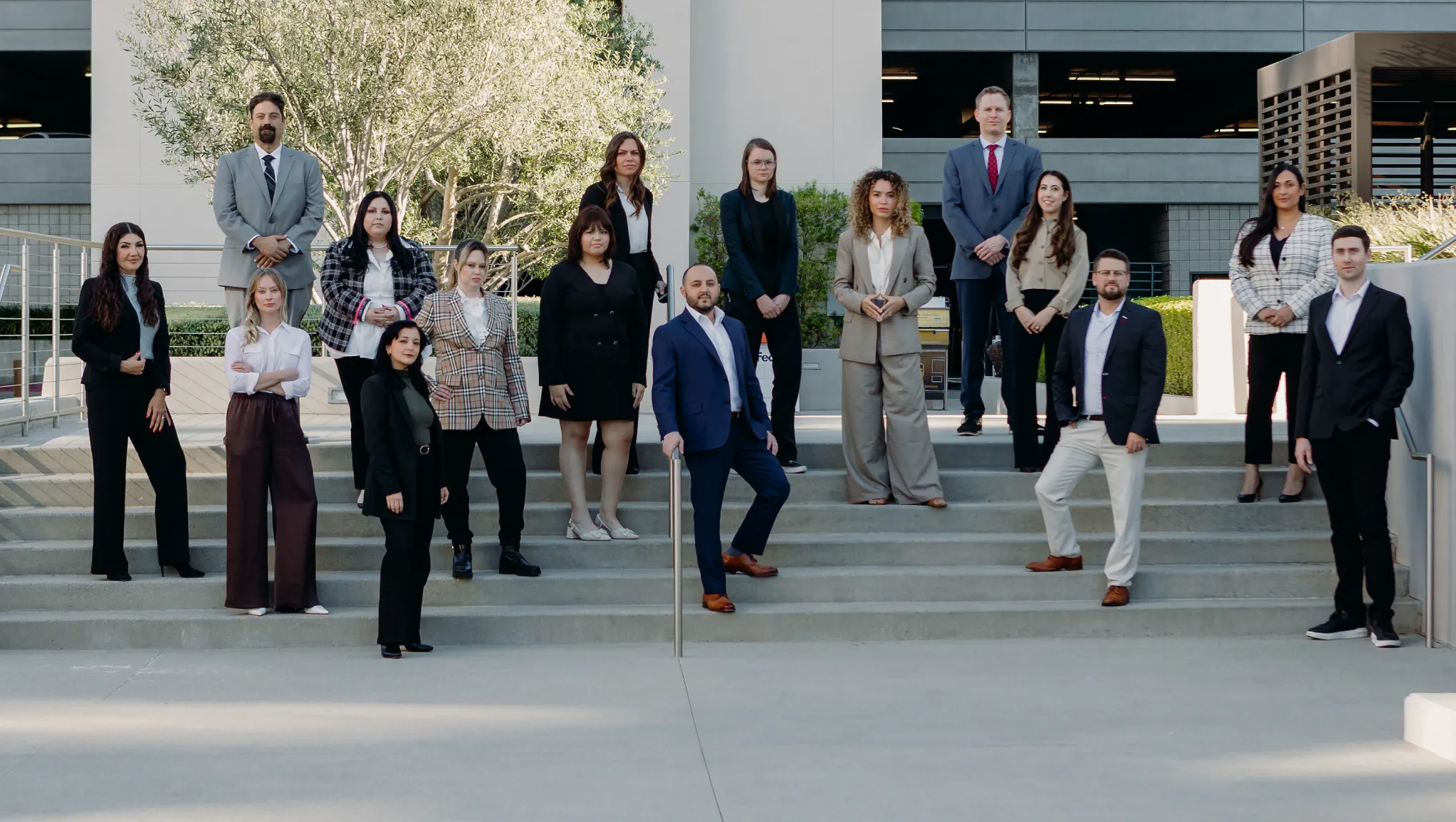
1
Kirsten Starr
Controller
2
Nicole Clancy
Senior Litigation Attorney
3
Mike Rachmann
Litigation Attorney
4
Robert Starr
Attorney, Founding Partner
5
Francine Barlavi
Client Onboarding Team
6
Danny Barlavi
Client Onboarding Team Lead
7
Kaylie Urango
Pre-Litigation Support Specialist
8
Amber Shelgren
Case Evaluation Assistant
9
Taylor McCarthy
Litigation Support Specialist
10
Gabriela Dominguez
Litigation Support Specialist
11
Cynthia Rodriguez
Case Manager
12
Collette Navasartian
Paralegal
13
Rebecca Harteker
Litigation Attorney
14
Manny Starr
Attorney, Managing Partner
15
Colin Rickard
Director of Growth & Operations
16
Mark Tieman
Attorney, Managing Partner
We’re on Your Side. Only Your Side.

100% Plaintiff-Side Practice
We never represent employers. Every resource, every strategy is dedicated to helping employees like you win.

We Actually Listen
Many firms rush through consultations. We take time to understand your full story — because details that seem small can be decisive.

California Specialists
California has the most powerful employee protection laws in the country. We know them deeply and use every one to your advantage.
Our Commitment to You
We never represent employers. Every resource, every strategy is dedicated to helping employees like you win.
100%
Confidential
No Fee
Unless we win
How Frontier Law Center Fights For You
California law provides strong employee protections. Does any of this match what you experienced?
1
You Share Your Story
Free, confidential, no pressure. We listen — and we give you an honest answer about your rights.
2
We Investigate
Our attorneys uncover what actually happened. You don’t lift a finger — we do the work.
3
We Fight for You
We negotiate hard and are fully prepared to go to trial. We fight for the maximum recovery.
4
You Move Forward
We only get paid when you win. You get closure, compensation, and a fresh start.
Your Age Discrimination Questions Answered
California employees facing age discrimination often come to us with the same questions. Below are the most common ones.
What Qualifies as Age Discrimination in California?
Age discrimination in California occurs when an employer makes a work-related decision based on the fact that an employee is 40 or older. That covers hiring, firing, promotions, demotions, pay, job assignments, and working conditions. The decision doesn’t need to be explicit. In fact, most age discrimination cases involve decisions an employer framed as performance-related, budget-driven, or based on “culture fit.” If age was a substantial motivating factor, California law treats it as discrimination regardless of how the employer labeled it.
Does California's Age Discrimination Law Protect Employees Under 40?
No, both FEHA and the federal ADEA protect employees who are 40 or older. California doesn’t recognize claims from employees under 40 based on age alone. If you’re 40 or older and facing similar treatment, that’s where the legal protection kicks in.
Is It Age Discrimination If My Manager Keeps Calling Me "Old-School" or Says I'm "Not a Culture Fit"?
Those phrases don’t prove a case on their own, but they still matter. California courts look at the whole picture: comments, patterns, and timing. For example, if “not a culture fit” keeps coming up right before you lose projects or receive a write-up, that context can become evidence. Write down who said it, when, and who else heard it.
Can My Employer Lay Me Off and Only Keep the Younger Team Members?
Employer layoffs don’t automatically shield a company from a discrimination claim. The key question is whether age drove the company’s decision about who to cut. Layoff lists and a comparison of the ages of people the company kept versus let go are often the strongest evidence available. If your layoff felt age-targeted, have someone look at the full picture before you sign anything.
Is Being Placed on a PIP After Years of Good Reviews a Sign of Age Discrimination?
It can be. That’s especially true if your reviews were solid, nothing major changed about your work, and the PIP appeared right before a layoff. Employers sometimes use PIPs to build a paper trail before letting long-tenured employees go. Our post on performance improvement plans in California explains what to watch for.
How Much Is an Age Discrimination Lawsuit Worth in California?
There’s no standard number, and anyone who quotes you one before reviewing your case isn’t being straight with you. California law allows for back pay, front pay, emotional distress damages, punitive damages, and attorney’s fees in proven cases. The value of a case depends on your salary, how long the discrimination affected your employment, and the strength of the evidence. A free consultation with an attorney who handles these cases regularly is the best way to get a realistic read on your situation.
How Long Do I Have to File an Age Discrimination Claim in California?
Under FEHA, you generally have three years from the discriminatory act to file with the CRD. After receiving a right-to-sue letter, you have one more year to file a lawsuit. Federal ADEA deadlines are much shorter. If you’re close to any of these windows, call sooner rather than later.
I Already Signed a Severance Agreement. Is It Too Late to Do Anything?
Not necessarily. You may be able to challenge it, especially if you signed under pressure or without enough time to review. The Older Workers Benefit Protection Act requires specific protections for employees 40 and older, and not every agreement includes them. Our guide on severance agreements in California covers what to look for before you sign. If the timing felt rushed, let us take a look.
Last Updated: June 01, 2026
The information on this page reflects the law as of the date above and is intended for general informational purposes only. It does not constitute legal advice, nor does it create an attorney-client relationship. Laws and regulations are subject to change, and individual circumstances vary — always consult a qualified attorney for guidance specific to your situation.
California Has Strict Deadlines. Don’t Wait to Find Out Where You Stand.
If you think age discrimination in California is happening to you, the clock may already be running. California’s filing windows are real, and missing them can end an otherwise strong case before it ever gets started.
Frontier Law Center represents California employees only, and we’ve recovered more than $100 million for employees who weren’t sure they had a case until someone looked. A free, confidential consultation costs you nothing and can tell you exactly where you stand.