
Your manager sighs every time you speak your native language on break. Your name keeps getting mispronounced, even after you correct it. A promotion you clearly earned goes to someone less qualified, and the only explanation is “cultural fit.” These are some of the most common signs of national origin discrimination, and they can also be illegal.
At Frontier Law Center, we represent California employees whose employers pushed them out or held them back because of where they come from. This guide explains what national origin discrimination looks like in practice, how California law protects you, and what to do next.

★★★★★5/5
“Really happy with the outcome of my case! They got me what I deserved and they didn’t have much to go on! Thank you Frontier Law Center!”
— Recent Client Review
Definition
What is national origin discrimination?
National origin discrimination occurs when an employer treats an employee differently because of where they come from. The protected attributes include accent, native language, ancestry, and ethnicity. In California, this conduct violates the Fair Employment and Housing Act (FEHA), which applies to any employer with five or more employees. FEHA covers hiring, firing, promotions, pay, and the daily conditions of your work.
10,000
+
Workers Helped
100
M+
Recovered
10
+
Years in Practice
National Origin Discrimination Examples in California Workplaces
The situations in the bullet point list reflect what Frontier Law Center sees most often from employees across hospitality, healthcare, retail, manufacturing, and tech. Each one is a recognized pattern under FEHA or federal law.
No single situation guarantees a case. When two or more of these patterns appear close together, FEHA takes notice. This is especially true when they trace back to the moment your employer learned where you are from.
You don’t need to have all the answers.
You just need to tell us your story. We’ll figure out if it was illegal. Many of our most successful clients started by
saying “I’m not even sure I have a case.”
- Coworkers or supervisors mocked your accent or name, and it continued even after you corrected them
- Your employer introduced a blanket English-only rule with no stated business reason and no advance notice
- You were passed over for a promotion in favor of a less qualified applicant from a different background
- Your employer demanded extra documents for employment verification that no one else in your role had to provide
- Your performance reviews turned negative after you returned from a trip to your home country
- A manager cited “customer preference” or “cultural fit” to explain a decision that affected your pay, title, or role
- You reported national origin harassment and the behavior continued or got worse after you came forward
Accent, Language, and Your Rights at Work
California law protects your accent and your language. Three situations come up most often, and each one deserves a clear answer.

When Your Employer Uses Your Accent Against You
Your employer cannot use your accent as the basis for any work decision. The only exception is if your accent genuinely prevents you from performing the essential functions of the role. Your employer carries the burden of proving that with real evidence. Vague complaints from coworkers or clients do not meet that bar. If your job performance was never an issue before and your treatment changed after your employer focused on how you sound, that shift is worth examining.
English-Only Rules and When They Are Illegal
California law treats blanket English-only rules with strong skepticism. A rule requiring English at all times, including breaks or personal calls, is presumed unlawful. EEOC guidance on English-only policies reaches the same conclusion under federal law. A narrower rule may apply to specific job tasks, but your employer must have a genuine business reason and must give employees advance notice. If your employer wrote you up for speaking your native language on a break, that write-up may be the start of a viable national origin discrimination claim.
Promotions, Firing, and Disparate Treatment
Many employees face disparate treatment in cases like these. That means their employer treats them differently from coworkers who hold the same role but come from a different national origin group. If your employer holds you to tougher standards, skips you for promotions, or documents your work more critically than others in your role, that is a pattern worth examining. Each incident may seem minor at first, but together they often tell a different story.
What California Employees Can Recover in a National Origin Discrimination Claim
California gives employees real remedies when national origin discrimination is proven under FEHA. Every case is different, and Frontier Law Center does not promise specific outcomes. The table below covers the main categories available to employees who prevail.
FEHA provides broader remedies than federal law. That is one of the primary reasons California employees benefit from filing at the state level.
| Type of Recovery | What It Covers |
|---|---|
| Lost wages | Pay and benefits you lost from the date of the discriminatory act |
| Future lost earnings | Projected income losses if comparable work is not reasonably available |
| Emotional distress damages | Compensation for the psychological harm caused by the discrimination |
| Punitive damages | Additional penalties against the employer in cases of malicious conduct |
| Attorney's fees | Legal costs the employer may be required to pay when you prevail under FEHA |
| Reinstatement | Return to your position when getting your job back is the outcome you want |
Building Your Case and Protecting Your Rights
You do not need your manager to say anything explicit for a case to move forward. California courts allow indirect evidence, and they look closely at timing. The key is showing that your particular national origin was a real factor in what your employer did to you.

How to Document What Is Happening
Start a private log right now and save it outside your work email and devices. Document the shift in how your employer treated you and keep records of reviews, schedule changes, and HR messages. Write down any comments about your accent, your name, your ethnicity, or your country. Include the date, exact words, and anyone who was present. If a performance improvement plan appeared around the same time your background became an issue, those two events belong in the same timeline.

When Your Workplace Becomes Hostile
Your employer does not have to fire you for FEHA to apply. A pattern of slurs, jokes, mimicry, or exclusion tied to your national origin, ethnicity, or ancestry can create a hostile work environment under California law. A single comment usually does not reach that threshold. A repeated pattern that HR knows about and chooses to ignore often does. If you reported the behavior and nothing changed, our post on what to do when HR ignores your complaint walks through your next steps. If your employer demoted or fired you after you reported, that creates a separate retaliation claim alongside your discrimination case.

Filing Deadlines for National Origin Discrimination Claims
Time limits on these claims are strict. Missing a deadline can end a strong case before it starts. The deadline that applies to you depends on where you file.
Our post on the statute of limitations for California employment claims covers how these deadlines interact with related claims. Do not assume it is too late without talking to someone who can review your specific facts.
| Step | Action | Why It Matters |
|---|---|---|
| 1 | Put your concerns in writing | Email HR or a supervisor before you resign. California courts look for proof the employee gave the company a real opportunity to fix the problem. A complaint the employer dismissed or ignored often becomes the most powerful evidence in the case. |
| 2 | Use the internal complaint process | If your employer has a formal HR or ethics complaint process, document that you used it. Keep copies of every response, including silence. Non-responses are evidence too. |
| 3 | File with the California Civil Rights Department | The CRD enforces FEHA and handles discrimination, harassment, and retaliation claims. A CRD complaint produces the right-to-sue letter that makes a private lawsuit possible. This step is often required before you can take legal action. |
| 4 | Check your EDD eligibility | California's EDD recognizes good cause resignations. Employees who resign due to intolerable working conditions may still qualify for unemployment benefits under its Voluntary Quit determination guidelines. Filing for EDD does not replace a legal claim, but the facts often support both. |
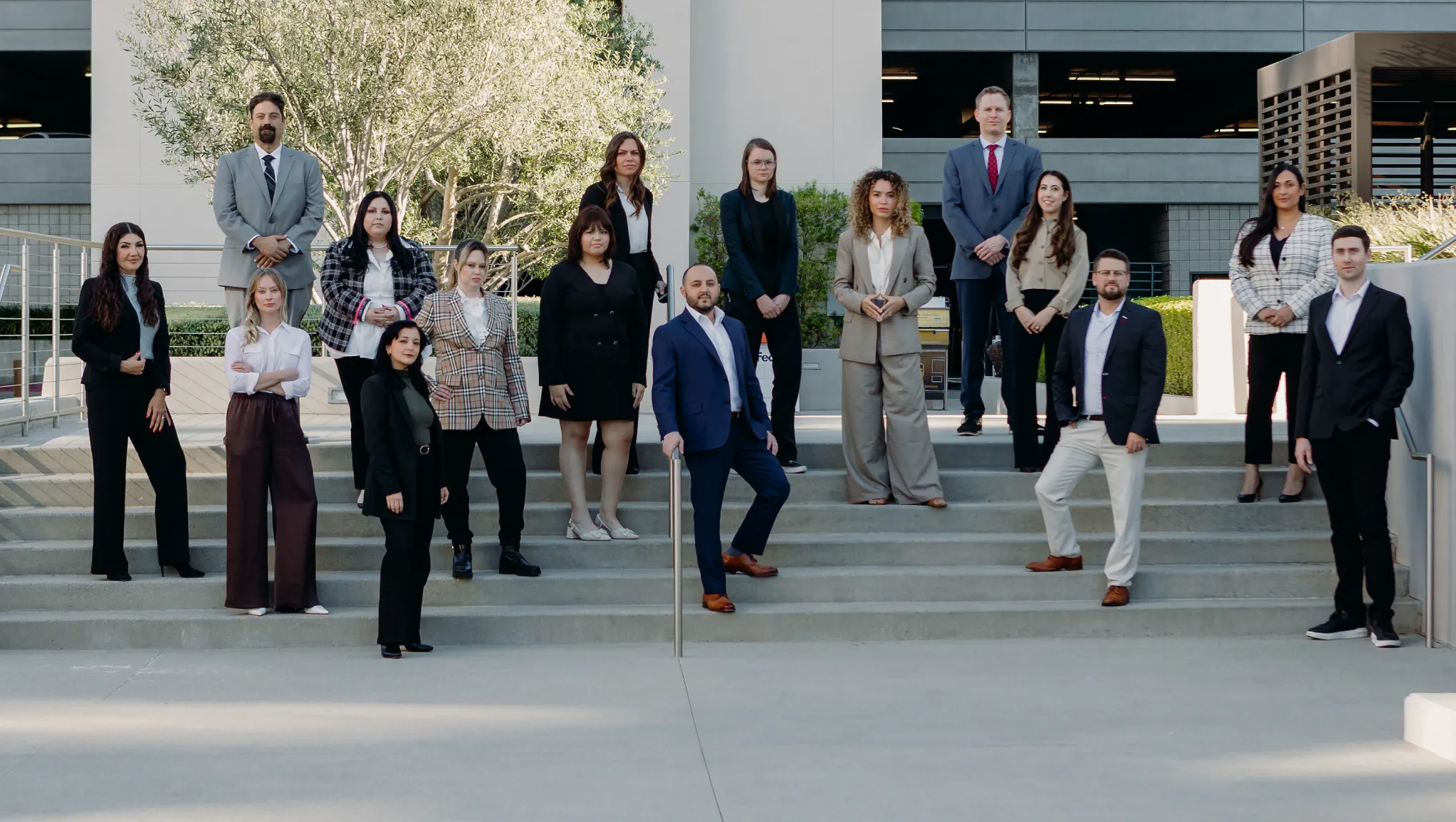
1
Kirsten Starr
Controller
2
Nicole Clancy
Senior Litigation Attorney
3
Mike Rachmann
Litigation Attorney
4
Robert Starr
Attorney, Founding Partner
5
Francine Barlavi
Client Onboarding Team
6
Danny Barlavi
Client Onboarding Team Lead
7
Kaylie Urango
Pre-Litigation Support Specialist
8
Amber Shelgren
Case Evaluation Assistant
9
Taylor McCarthy
Litigation Support Specialist
10
Gabriela Dominguez
Litigation Support Specialist
11
Cynthia Rodriguez
Case Manager
12
Collette Navasartian
Paralegal
13
Rebecca Harteker
Litigation Attorney
14
Manny Starr
Attorney, Managing Partner
15
Colin Rickard
Director of Growth & Operations
16
Mark Tieman
Attorney, Managing Partner
We’re on Your Side. Only Your Side.
You do not need every piece of evidence before taking the first step. Acting now protects your options while you sort through what happened.

100% Plaintiff-Side Practice
We never represent employers. Every resource, every strategy is dedicated to helping employees like you win.

We Actually Listen
Many firms rush through consultations. We take time to understand your full story — because details that seem small can be decisive.

California Specialists
California has the most powerful employee protection laws in the country. We know them deeply and use every one to your advantage.
What to Do Before Your Next Move at Work
Save everything outside your work devices and document the shift in how your employer treated you. Do not sign a severance agreement, NDA, or release of claims without having it reviewed first. Many employees unknowingly sign away their rights before understanding what they had. Frontier Law Center handles these cases on contingency, so you pay nothing unless we recover on your behalf. Review our track record on the Frontier Law Center accomplishments page.
100%
Confidential
No Fee
Unless we win
How Frontier Law Center Fights For You
California law provides strong employee protections. Does any of this match what you experienced?
1
You Share Your Story
Free, confidential, no pressure. We listen — and we give you an honest answer about your rights.
2
We Investigate
Our attorneys uncover what actually happened. You don’t lift a finger — we do the work.
3
We Fight for You
We negotiate hard and are fully prepared to go to trial. We fight for the maximum recovery.
4
You Move Forward
We only get paid when you win. You get closure, compensation, and a fresh start.
Frequently Asked Questions About National Origin Discrimination in California
These are the questions we hear most often from California employees. Each answer gives you a clear starting point, not a replacement for a full case review.
Is National Origin Discrimination Illegal in California?
Yes, FEHA prohibits employers with five or more employees from basing any work decision on a person’s national origin. That covers ancestry, accent, ethnicity, native language, and country of birth, whether actual or perceived. California gives employees broader protections than federal law. Employees who win FEHA claims also tend to recover more than they can under Title VII.
Can My Employer Fire Me Because of Where I Was Born?
No, firing an employee because of their national origin violates FEHA. Employers often label these decisions as performance issues or layoffs, but California courts look closely at timing. A firing that follows a trip home or the moment a manager learns where you are from can support a claim when other evidence aligns.
Can My Employer Require Me to Speak Only English at Work?
Generally no. A blanket English-only rule is presumed unlawful in California under both state law and EEOC guidance. A narrower rule may apply to specific tasks, but your employer needs a genuine business reason and must give advance notice. If your employer wrote you up for speaking your native language on break, that may be a national origin violation under FEHA.
Does Mocking My Accent Count as Discrimination?
It can. A single comment rarely rises to a FEHA violation on its own. A pattern of mocking tied to your accent, especially when supervisors allow it to continue, can constitute national origin harassment under California law. Your accent is protected unless your employer can show it genuinely prevents you from doing the job.
How Much Does a National Origin Discrimination Lawyer Cost?
Frontier Law Center handles discrimination cases on a contingency fee basis. That means you pay nothing unless your case results in a recovery. A free consultation is the right first step because it lets you understand your situation before you commit to anything.
How Long Do I Have to File a Claim in California?
Under FEHA, you have three years from the discriminatory act to file with the California Civil Rights Department. You then have one additional year to file a lawsuit after receiving the right-to-sue letter. The federal EEOC deadline is shorter, typically 180 to 300 days. Do not assume it is too late without speaking to someone who can review your facts.
Last Updated: June 01, 2026
The information on this page reflects the law as of the date above and is intended for general informational purposes only. It does not constitute legal advice, nor does it create an attorney-client relationship. Laws and regulations are subject to change, and individual circumstances vary — always consult a qualified attorney for guidance specific to your situation.
Get a Free Case Evaluation From Frontier Law Center
What you are experiencing may be hard to name. Your employer may be using your accent, your name, your background, or where you come from to hold you back, push you out, or make your workplace unbearable. California law takes this seriously, and so does Frontier Law Center.
We represent employees across Los Angeles, the San Fernando Valley, and throughout the state on a contingency basis. You pay nothing, and we collect no fee unless we recover on your behalf.