
If your paycheck keeps coming up short, California law may entitle you to more. A wage and hour attorney can review your hours and pay records and tell you exactly where you stand. Wage and hour violations rarely look like theft. They show up as overtime calculated at the wrong rate or a skipped meal break. Sometimes the only sign is a final paycheck that arrived days late.
Frontier Law Center is a plaintiff-side employment law firm that represents employees throughout California. Our wage and hour attorneys handle individual claims and group cases where one pay practice affects an entire workforce. A free case evaluation tells you whether you have a claim.

★★★★★5/5
“Professional firm with great realistic results. A pleasure to work with. I recommend them for any type of employment law.”
— Recent Client Review
Types of Wage and Hour Claims California Employees Bring
Most wage and hour claims in California fall into a few patterns that repeat across industries. Because these patterns live in payroll systems, one practice can underpay every employee in the same role. These are the claims Frontier Law Center handles most often.
Minimum Wage Violations
California’s statewide minimum wage is $16.90 an hour in 2026 and rises to $17.40 on January 1, 2027. Many cities and some industries, including fast food and health care, set higher floors. Illegal deductions, unpaid training time and unreimbursed work expenses can also push your real pay below the minimum. Read more about the California minimum wage.
Wage Theft
Wage theft happens when an employer keeps pay you earned through unpaid hours, withheld tips or a missing final check. It also includes denying the paid sick leave that California employees accrue as they work. You can recover the full amount, plus interest and statutory penalties. Read more about recovering unpaid wages and California sick leave law.
California Overtime Law
California overtime starts after eight hours in a workday or 40 hours in a workweek. Double time then applies after 12 hours in a single day under Labor Code 510. Many violations come from misconfigured payroll software or the wrong regular rate, and the law requires correct pay either way. Read more about how overtime is calculated in California.
Off the Clock Work
California requires pay for all time your employer knows about and allows you to work. That includes tasks before clocking in, after clocking out and during unpaid meal breaks. Answering messages, setting up a station or finishing paperwork off the clock also count as hours worked. Rounding that consistently shaves minutes off each shift underpays you for the same reason.
Tip Pooling Violations
Under Labor Code 351, no owner, manager or supervisor may take a share of your tips. A tip pool is legal only when it stays among employees in the chain of service. If management took a cut, you can recover it plus interest. Read more about what to do when a manager takes tips.
California Break Laws
California requires a 30-minute meal break for shifts over five hours and a paid 10-minute rest break every four hours. Both breaks must be fully duty-free, so your employer cannot keep you on call during them. Each missed break earns one additional hour of pay at your regular rate under Labor Code 226.7. Read more about California meal break laws.
Independent Contractor Misclassification
California’s ABC test under Labor Code 2775 presumes you are an employee unless the hiring company proves all three parts. If the company fails one part, it owes you minimum wage, overtime, breaks and expense reimbursement. For example, companies often misclassify gig and app-based employees to avoid these costs. Read more about employee misclassification in California.
Final Paycheck Law
If you are fired, California requires your employer to pay all final wages, including earned commissions, immediately. If you quit with 72 hours of notice, payment is due on your last day. A late final check triggers waiting time penalties of up to 30 days of wages under Labor Code 203. Read more about California final paycheck law.
What a Successful Wage Claim Can Recover
A successful wage claim in California recovers more than the pay your employer withheld. The Labor Code adds premiums, penalties and interest on top of the wages themselves.

The Compensation California Law Entitles You To
Recovery starts with unpaid wages and overtime, plus one extra hour of pay for each missed meal or rest break. Late final paychecks add waiting time penalties, and missing or inaccurate pay stubs carry separate penalties under Labor Code 226. For minimum wage violations, Labor Code 1194.2 adds liquidated damages equal to the unpaid amount. Prevailing employees can also recover attorney’s fees from the employer under Labor Code 1194 and 218.5. See how these amounts combine in our guide to unpaid wage settlements in California.

What Happens If Your Employer Refuses to Pay
If your employer disputes the claim, your wage and hour attorney can take it to the Labor Commissioner or court. Many cases resolve at a settlement conference before any hearing takes place. When the same violation affects your coworkers, the claim can grow into a class action or a PAGA case. Under PAGA, employees receive a share of the civil penalties the state collects. Frontier Law Center has handled group wage cases against national employers on behalf of thousands of employees.

How a Wage and Hour Attorney Builds Your Case
Frontier Law Center is California’s first AI-native employment law firm. Our wage and hour attorneys use AI-assisted document analysis to review timesheets, pay records, and payroll histories at a scale most firms cannot match. That frees our legal team to focus on strategy and direct advocacy for your interests. Attorney Manny Starr and our litigation team have recovered wages for California employees across manufacturing, hospitality, retail, healthcare, and professional services.

How Long California Employees Have to File a Wage Claim
Most California wage claims carry a three-year deadline from each violation, but some deadlines are much shorter. The clock runs from the date of each missed payment, so waiting can cost you older pay periods. A wage and hour attorney can confirm which deadlines apply to your claims. Retaliation for raising a pay issue carries a one-year deadline to file with the Labor Commissioner. Read more about the statute of limitations on unpaid wages.
| Claim Type | Where It Is Filed | Deadline |
|---|---|---|
| Unpaid wages and overtime under the Labor Code | Labor Commissioner or Superior Court | 3 years |
| Unpaid wages through an unfair competition claim | Superior Court | 4 years |
| Waiting time penalties | Labor Commissioner or Superior Court | 3 years |
| Pay stub penalties under Labor Code 226 | Superior Court | 1 year |
| PAGA notice to the state | Labor and Workforce Development Agency | 1 year |
| Retaliation complaint | Labor Commissioner | 1 year |
| Written contract claims | Superior Court | 4 years |
| Oral contract claims | Superior Court | 2 years |
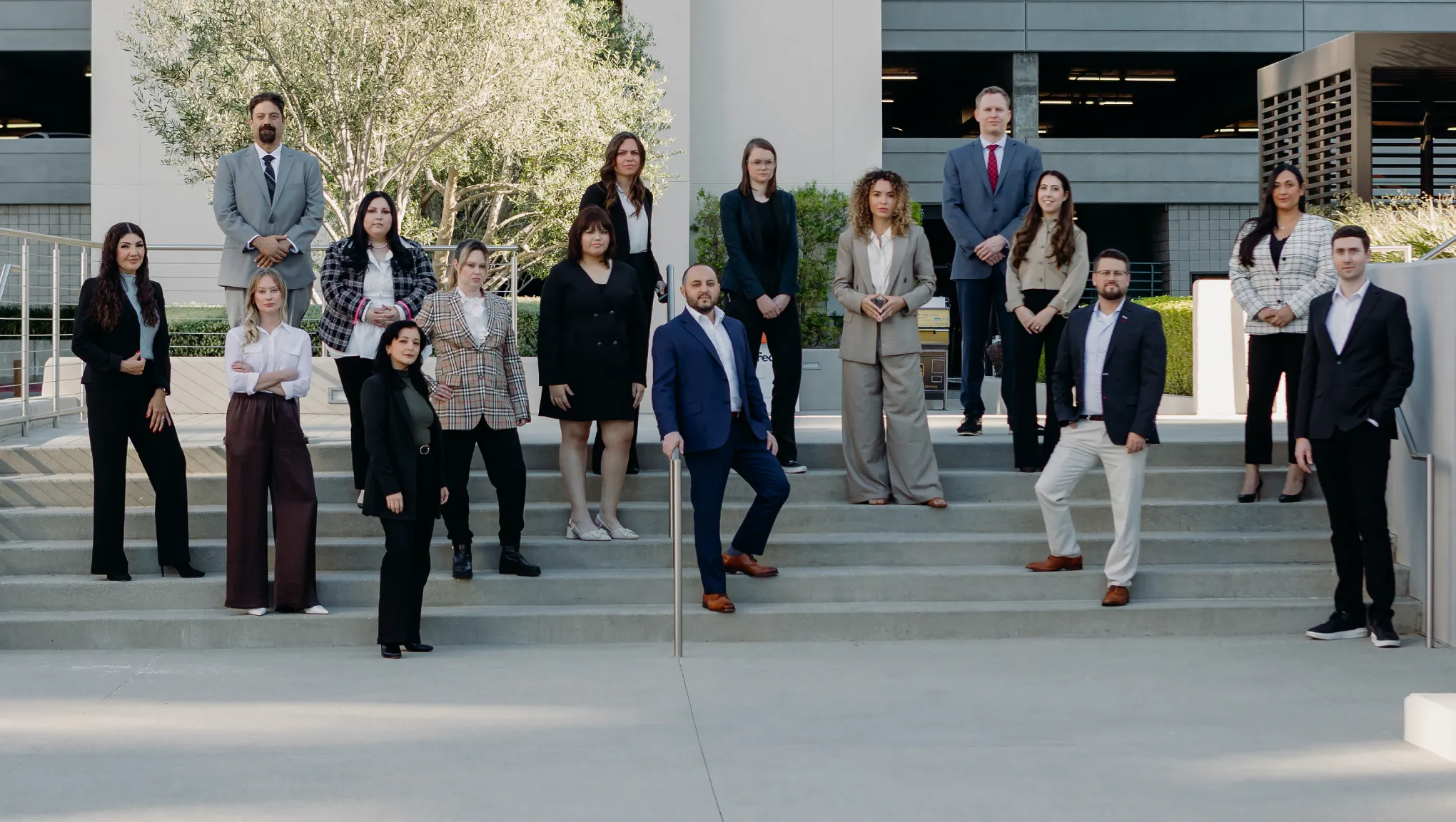
1
Kirsten Starr
Controller
2
Nicole Clancy
Senior Litigation Attorney
3
Mike Rachmann
Litigation Attorney
4
Robert Starr
Attorney, Founding Partner
5
Francine Barlavi
Client Onboarding Team
6
Danny Barlavi
Client Onboarding Team Lead
7
Kaylie Urango
Pre-Litigation Support Specialist
8
Amber Shelgren
Case Evaluation Assistant
9
Taylor McCarthy
Litigation Support Specialist
10
Gabriela Dominguez
Litigation Support Specialist
11
Cynthia Rodriguez
Case Manager
12
Collette Navasartian
Paralegal
13
Rebecca Harteker
Litigation Attorney
14
Manny Starr
Attorney, Managing Partner
15
Colin Rickard
Director of Growth & Operations
16
Mark Tieman
Attorney, Managing Partner
What Happens When You Contact Frontier Law Center
You do not need to know whether you have a case before you call a wage and hour attorney. The first conversation answers that question, and it costs you nothing.
You tell us what happened in your own words, with no forms and no pressure.
Then our attorneys review the facts and explain your rights, the amount at stake and your realistic options. You decide what comes next, with no obligation after your consultation.
If we take your case, we work on contingency, so you pay no fees unless we recover money for you. There is never an upfront cost to get started.
How Frontier Law Center Fights For You
California law provides strong employee protections. Does any of this match what you experienced?
1
You Share Your Story
Free, confidential, no pressure. We listen — and we give you an honest answer about your rights.
2
We Investigate
Our attorneys uncover what actually happened. You don’t lift a finger — we do the work.
3
We Fight for You
We negotiate hard and are fully prepared to go to trial. We fight for the maximum recovery.
4
You Move Forward
We only get paid when you win. You get closure, compensation, and a fresh start.
Questions California Employees Ask About Unpaid Pay
These are questions we hear often from employees who suspect their pay is wrong.
What Is the Most Common Wage and Hour Violation in California?
Missed meal and rest breaks are among the most common wage and hour violations California employees face. They often appear alongside unpaid overtime, because the same understaffed shifts produce both problems. Each missed break carries its own premium, so a year of skipped lunches adds up to a substantial claim.
Is It Worth Pursuing a Wage Claim Over a Small Amount of Money?
A small weekly shortfall is often worth pursuing because California adds penalties and attorney’s fees to the unpaid wages. Fee-shifting means your employer, not you, typically pays the legal costs of a successful claim. A wage and hour attorney can show you what your claim is realistically worth before you decide.
What Records Should I Keep If I Think My Employer Is Shorting My Pay?
Keep every pay stub, your own log of hours and breaks, and any schedules or messages about your shifts. Notes you write at the time carry real weight when your employer’s records are incomplete. You also have the right to request your payroll records from your employer under Labor Code 226.
Can I Recover Unpaid Wages If I Was Paid in Cash?
Yes, cash pay does not change your right to minimum wage, overtime or breaks under California law. Employers who pay off the books still owe itemized pay stubs, and missing stubs add a separate penalty claim. Instead, your own records and coworker statements can fill the gaps in your employer’s paperwork.
Do I Have to Sign a Document About My Hours to Get Paid?
No, Labor Code 206.5 bars your employer from requiring a release of wage claims before paying wages due. A signed timesheet that does not match your actual hours does not erase the wages you earned. If your employer asks you to sign something you disagree with, keep a copy and contact Frontier Law Center.
Contact a Wage and Hour Lawyer Today
If your pay has not matched the hours you worked, you deserve an answer about what your employer owes you.
A free case evaluation with Frontier Law Center explains your rights, options and next steps. Contact Frontier Law Center or start a conversation with Trailmate, our AI intake assistant, at any hour.
