
How Long Wrongful Termination Cases Take in California
- June 24, 2026
Losing your job under circumstances that felt wrong can shake everything at once. Bills do not pause, and the people who depend on you are watching. Before anything else, you want to know how long does a wrongful termination case take in California. That answer helps you plan your life while the legal process moves forward. That question deserves a straight answer, because the timeline shapes your finances and every decision that follows.
Most California wrongful termination cases resolve somewhere between a few months and well over a year. That range depends on three things: your claim type, your evidence, and whether your employer settles or fights. Because those factors are within your power to understand, this guide walks through each one clearly.
Quick Answer
How Long Does a Wrongful Termination Case Take in California?
A wrongful termination case in California typically takes between a few months and over a year. Simple cases with strong evidence and a cooperative employer often resolve in three to six months. Cases that move into full litigation can run twelve months or longer. The strength of your evidence, the claims involved, and how hard your employer fights all shape the final timeline.
Get a Free ConsultationHow Long a Wrongful Termination Case Takes at Each Stage in California
A wrongful termination case follows a predictable sequence of stages, even when the pace at each one varies. Most cases begin with investigation and then a demand phase. Formal litigation follows only when the employer refuses to settle, and most employees never set foot in a courtroom.
The table below shows each stage and a typical timeline. Treat these ranges as a general map, since your specific facts will affect the overall duration. Employers weigh the cost of litigation against the certainty of a negotiated outcome, and when your evidence is strong, that calculation works in your favor.
| Stage | What Happens | Typical Time |
|---|---|---|
| Intake and investigation | Your attorney reviews documents, identifies claims, and gathers early evidence | A few weeks |
| Pre-litigation demand | A demand letter goes out and early negotiations begin | One to three months |
| Administrative filing | A complaint is filed with the CRD or EEOC when the claim requires it | Weeks to several months |
| Litigation and discovery | A wrongful termination lawsuit is filed and both sides exchange evidence | Several months to over a year |
| Settlement or trial | The case resolves through negotiation, mediation, or a verdict | Varies widely |
The early stages move quickly when your records are organized and your claim is clear. Cases that reach the court system through litigation take much longer, since discovery alone can stretch from several months to well over a year. Where your case lands in that range is the key to answering how long does a wrongful termination case take.
What Affects How Long Your Wrongful Termination Case Takes
No two wrongful termination cases move at exactly the same speed. These three factors explain how long does a wrongful termination case take from one situation to the next. Understanding them helps you plan realistically and identify where you have genuine influence.

The Legal Theory Behind Your Claim
Different legal theories follow different procedural paths, and that determines how soon your case can advance. A discrimination, harassment, or retaliation claim under the Fair Employment and Housing Act requires an administrative step with the California Civil Rights Department before a lawsuit can be filed. A Tameny wrongful discharge claim based on an illegal reason under California public policy can go directly to civil court without that step.
Your Evidence and How Quickly You Gather It
Clear evidence gives the other side less reason to dispute your allegations and more incentive to settle early. Emails, performance reviews, and pay records build the picture of what happened. Nolo’s guide on wrongful termination documentation covers what to save and why it matters.
How Hard Your Employer Chooses to Fight
Some employers recognize their exposure and resolve the matter quickly. Others dispute every allegation and extend discovery as long as possible, adding weeks or months at each contested point. An experienced attorney can read those early signals and give you a realistic sense of what to expect.
Filing Deadlines Every California Employee Needs to Know
Before your case can advance, a strict clock is already running. How quickly you act before these deadlines directly affects how long does a wrongful termination case take. California sets firm filing deadlines for wrongful termination claims, and missing one can permanently bar your case regardless of how strong your evidence is. Under statute of limitations rules, these deadlines begin from the date of the adverse action, not from when you first speak to an attorney.
Once the agency reviews your complaint, it issues a right-to-sue letter authorizing you to file a civil lawsuit. The deadline that applies depends on the legal theory behind your claim. Our full guide on the wrongful termination statute of limitations in California covers each one in detail. The table below gives you an overview.
| Claim Type | Filing Body | Deadline |
|---|---|---|
| Discrimination and retaliation (FEHA) | California Civil Rights Department | 3 years from the adverse action |
| Public policy (Tameny) | California Superior Court | 2 years from the adverse action |
| Federal discrimination (Title VII) | Equal Employment Opportunity Commission | 300 days from the adverse action |
| Whistleblower retaliation (Labor Code 1102.5) | Civil court or Labor Commissioner | 3 years civil, 1 year administrative |
| Workers' compensation retaliation (Labor Code 132a) | Workers' Compensation Appeals Board | 1 year from the adverse action |
Because evidence fades and witnesses move on, an early start strengthens your claim and often shortens the timeline. Our overview on whether you can sue for wrongful termination in California covers the eligibility question in plain terms. Workplace Fairness also provides a plain-language overview of wrongful termination rights for California employees.
What to Expect During the Wrongful Termination Settlement Stage
Most California wrongful termination cases resolve through negotiations or mediation rather than trial. How long does a wrongful termination case take to reach that point? For most employees, settlement arrives within a few months to a year, though contested cases can take longer.
Some cases settle within a few months of the first demand letter, especially when the evidence is strong. Others take a year or more when the employer contests the facts or disputes how much the claim is worth. Mediation brings both parties together with a neutral third party to negotiate directly. The session itself typically takes one day, though scheduling and preparation add a few extra weeks. Still, even with that lead time, mediation almost always resolves a case faster than a full trial. Our guide on how much a wrongful termination case settles for in California breaks down the compensation you may recover. Workplace Fairness also explains how to think about the value of your claim when weighing your options.
Once both sides sign the settlement agreement, funds typically arrive within two to four weeks. The exact timing depends on how quickly the paperwork is finalized and whether any liens or tax matters need to be addressed first. Your attorney manages those steps and keeps you informed throughout.

Steps to Keep Your Wrongful Termination Case Moving Forward
You have more control over how long does a wrongful termination case take than you might expect. Several early decisions can expedite your case, strengthen your position, and prevent unnecessary delays.
Start gathering documents the moment you believe your termination was wrong. Because California employment cases often turn on the paper trail, treat every email, text message, and written notice as potential evidence. Hold onto your offer letter, performance reviews, pay records, and any communications related to the events leading up to your firing. When you arrive at your first attorney meeting with an organized file, the conversation moves straight to strategy.
Time pressure quietly closes doors you would otherwise have open. Employees who reach out early can consider every available path, whether that means a demand letter, an agency complaint, or a civil lawsuit. Those who wait until the deadline is close tend to face rushed choices with fewer options. Our guide on what to do after being fired in California covers the practical steps that protect your legal rights from day one.
The clock starts the day you are fired. Acting before your deadlines close is the single most important thing you can do for your case, your options, and your peace of mind.
- Save every email, text, and written notice from your employer right away
- Hold onto your offer letter, pay stubs, and all performance reviews
- Write down what happened and when while the details are still fresh
- Avoid signing any employer paperwork before your attorney has reviewed it
- Respond promptly to every request your attorney makes
- Contact Frontier Law Center before your filing deadline closes
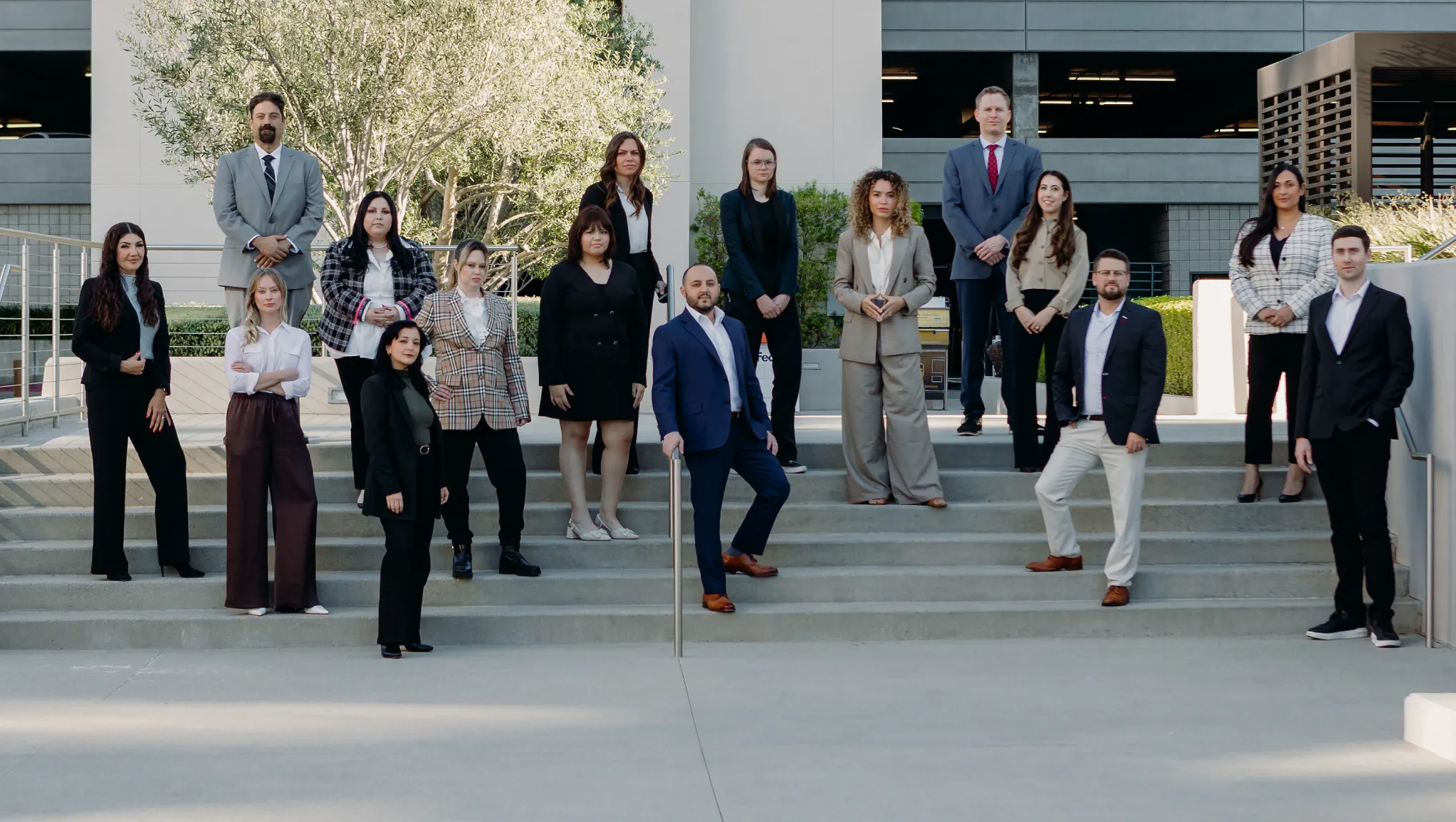
Kirsten Starr
Controller
Nicole Clancy
Senior Litigation Attorney
Mike Rachmann
Litigation Attorney
Robert Starr
Attorney, Founding Partner
Francine Barlavi
Client Onboarding Team
Danny Barlavi
Client Onboarding Team Lead
Kaylie Urango
Pre-Litigation Support Specialist
Amber Shelgren
Case Evaluation Assistant
Taylor McCarthy
Litigation Support Specialist
Gabriela Dominguez
Litigation Support Specialist
Cynthia Rodriguez
Case Manager
Collette Navasartian
Paralegal
Rebecca Harteker
Litigation Attorney
Manny Starr
Attorney, Managing Partner
Colin Rickard
Director of Growth & Operations
Mark Tieman
Attorney, Managing Partner
Why California Workers Choose Frontier Law Center
Frontier Law Center is a California employment law firm that exclusively represents employees across the state. Every claim we take and every decision our team makes is oriented toward one outcome: winning for the employee. We work on contingency, so you pay nothing unless we recover for you.
$0 Unless We Win
What makes Frontier Law Center different is how we are built. Our AI-native infrastructure means attorneys arrive at strategy sessions having already reviewed your timeline, identified patterns in the employer’s conduct, and built the evidentiary foundation that most firms are still assembling weeks later. We were a 2025 finalist for Law.com’s Best Use of Artificial Intelligence. The result is a legal team that moves faster, communicates clearly, and gives you a direct answer on how long does a wrongful termination case take in your specific situation.
A free consultation is the fastest way to understand your legal rights and whether your situation qualifies as a wrongful termination claim. You can explore our full approach on our wrongful termination representation page.
If you are searching for wrongful termination lawyers near me anywhere in California, we are ready to hear your case. Contact us today, and if you want to explore other employment claims related to your situation, you can also learn more about
Your Questions About Wrongful Termination Timelines Answered
Below are the questions California employees ask most often once they start seriously considering their legal options. Each answer leads with a direct response you can apply right away.
How Long Does a Wrongful Termination Case Take from Start to Finish?
Most California wrongful termination cases take between six months and one year to resolve. Simple cases with solid evidence tend to finish in three to six months. Complex cases or an employer who contests every allegation can run twelve to eighteen months or longer.
What Makes a Wrongful Termination Case Take Longer Than Expected?
An employer who contests liability and extends discovery is the most common reason a wrongful termination case takes longer than expected. Cases involving both discrimination and retaliation take longer because each claim requires separate proof. Preparing as though a trial could happen takes time, but that preparation often creates the pressure that brings the employer to the table.
How Long Does a Wrongful Termination Case Take If You Use Mediation?
With mediation, most California wrongful termination cases move toward resolution much faster than extended litigation alone. Mediation brings both sides together with a neutral mediator. In that setting, both parties often reach an agreement within a single session. Even when a second session is needed, the total time is still far shorter than a full trial.
How Long Does It Take to Get Paid After a Wrongful Termination Settlement?
Payment after a wrongful termination settlement typically arrives within two to four weeks of both parties signing the agreement. The exact window depends on how quickly the paperwork is finalized and whether any liens or tax considerations need to be cleared first. Your attorney manages those steps and gives you a realistic payment timeline once the agreement is signed.
Can I Do Anything to Speed Up My Wrongful Termination Case?
Yes, and the single most effective step is acting early with organized documentation. Gathering your records immediately removes one of the most common early delays. Avoiding employer paperwork before it is reviewed and staying in clear communication also keep things moving.
Call Frontier Law Center For Your Case Evaluation
Your termination may feel like the end of something important. In California, it could also be the start of a legal claim that holds your employer accountable.
If you believe your firing crossed a legal line, do not wait to understand your legal rights. Contact Frontier Law Center to schedule your free case evaluation and find out exactly what your options are.
More Blogs

Is Working Off the Clock in California Legal Even If You Volunteer?
Is Working Off the Clock in California Legal Even If You Volunteer?

Signing a Severance Agreement Over 40 Gives You Rights Younger Employees Do Not Have
Signing a Severance Agreement Over 40 Gives You Rights Younger Employees Do Not Have

Can You Still Sue After Signing a Severance Agreement in California?
Can You Still Sue After Signing a Severance Agreement in California?

What to Do If You’re Sexually Harassed at Work in California
What to Do If You’re Sexually Harassed at Work in California

How to Tell If Discrimination in Hiring Cost You a Job in California
How to Tell If Discrimination in Hiring Cost You a Job in California

PAGA Reform Explained, What Changed for California Employees
PAGA Reform Explained, What Changed for California Employees