
You checked your pay stub, ran the hours again, and the total still came up short. Maybe the hourly rate looks lower than San Francisco requires. Maybe hours you actually worked never appeared at all. A San Francisco wage and hour lawyer reads that same stub differently.
That uncertainty wears on you, especially when the amount seems too small to raise. However, this city sets pay rules that reach well past California law. So one paycheck can break two sets of rules at once. Frontier Law Center represents California employees and recovers the unpaid wages employers held back.

★★★★★5/5
“They are great! I was informed of everything that was happening and the attorneys were helpful and always very professional. I would recommend them to anyone.”
— Recent Client Review
Quick Answer
Am I owed money if my San Francisco employer paid me the state minimum wage?
Yes, you are owed the difference for every hour you worked inside San Francisco. The city minimum wage is $19.61 an hour as of July 1, 2026. California sits at $16.90, so the gap runs $2.71 every hour. Coverage starts at two hours of work per week in the city, and it includes part time and temporary employees.
Get a Free ConsultationWhat San Francisco Wage and Hour Claims Lawyers Find on an Underpaid Pay Stub
Most violations here show up as small, repeating errors rather than one dramatic shortfall. For example, a rate nobody updated or a rounding rule favoring the employer costs you real money. Similarly, a rest break cut short adds up over a year.
Nobody ever announces any of it to you. Instead, the pattern becomes clear once someone lays several pay stubs side by side. Then you compare them against the shifts you worked.
Frontier Law Center wage and hour attorneys see the same situations repeatedly. For example, restaurant employees, warehouse employees, and construction employees across SoMa and the Mission report the same problems. Finding your situation here guarantees nothing, though it does mean you should not rule yourself out.
-
Your paycheck used the California hourly rate, not the San Francisco rate
-
You clock out and keep working, or your start times get rounded down
-
Your meal or rest breaks get skipped, cut short, or interrupted regularly
-
A coworker doing substantially similar work earns noticeably more
-
Your schedule changed inside seven days and no extra pay followed
-
You stayed available for an on call shift and never got called in or paid
You do not need to know what you are owed.
Bring us the pay stubs and the schedule. We will do the math and tell you honestly what looks wrong.
How the San Francisco Minimum Wage Ordinance Changes What a Labor Lawyer Can Recover
First, the Minimum Wage Ordinance, or MWO, raises the baseline every calculation starts from. That floor is $19.61 an hour right now, while California sits at $16.90. As a result, the $2.71 gap exceeds one hundred dollars a week on full time hours. Unpaid claims also reach back years, so that difference compounds.

Two Hours a Week Inside the City Is Enough to Qualify
Coverage turns on where you work rather than where your employer sits. Anyone working at least two hours a week inside the city’s geographic boundaries earns that rate. Covered employees also include part time and temporary staff. Meanwhile our California minimum wage guide compares local rates city by city.

Why the Higher City Rate Enlarges Your Back Pay
An employee covered by city, state, and federal minimum wage laws earns whichever floor sits highest. Therefore an out of state employer still owes the city rate. Second, under Labor Code 2810.3, a client employer that hires you through a staffing agency shares that liability. Frontier Law Center then runs the difference across every open pay period. California also shifts your attorney fees onto the employer in successful minimum wage violation cases.

Scheduling and On Call Rules a San Francisco Labor Attorney Applies to Retail Claims
San Francisco also regulates how large retail employers build a schedule. As a result, violations there generate separate pay. The Formula Retail Employee Rights Ordinances cover chains with 40 or more locations worldwide and 20 employees locally. Janitorial and security contractors serving those chains also qualify. So Frontier Law Center treats each requirement as recoverable pay.

Predictability Pay When a Schedule Changes Inside Seven Days
A covered employer that changes your schedule with less than seven days of notice owes extra pay. That premium runs from one to four hours at your regular rate. So save every text and app alert that moved a shift. That timestamp then establishes the notice window.
On Call Shifts You Held Open and Never Worked
Keeping a day open for your employer has real value. So the ordinance treats it that way. A covered employer requiring you to stay available owes two to four hours of pay. That holds even when it never calls you in. Also, California requires reporting time pay when you arrive and get sent home.
Extra Hours Have to Reach You Before a New Hire
Covered employers must offer additional hours in writing to current qualified part time employees first. Plenty of employees ask for hours, hear none exist, then watch a new face start days later. However, that sequence is a violation on its own, so keep your written request.
What a San Francisco Wage and Hour Attorney Can Recover After Underpayment
Recovery reaches well past the missing wages. Also, California attaches penalties to several kinds of violation. Indeed, those penalties often outgrow the original shortfall. The city can also assess civil money penalties, though that money goes to San Francisco rather than to you.
Frontier Law Center also files PAGA actions, wage theft claims, and misclassification claims. Those fit when a whole crew got shorted alike. Meanwhile federal law can add another layer. For instance, FLSA liquidated damages can double unpaid overtime pay. Finally, our tool for calculating unpaid overtime shows how these figures build.
| Situation | What You Can Claim | Relevant Law |
|---|---|---|
| Paid below the San Francisco rate | The hourly difference, plus interest and attorney fees | SF Minimum Wage Ordinance; Labor Code 1194 and 1197 |
| Overtime hours paid at your straight rate | The unpaid daily and weekly overtime pay premium | Labor Code 510 and 1194 |
| Meal or rest break missed or cut short | One hour of premium pay per day | Labor Code 226.7 and 512 |
| Final paycheck delivered late | Waiting time penalties up to 30 days of wages | Labor Code 201, 202, and 203 |
| Schedule changed late or on call shift never used | One to four hours at your regular rate | SF Formula Retail Employee Rights Ordinances |
| Classified as a contractor while working as an employee | Every protection denied, including overtime and breaks | Labor Code 2775 and the ABC test |
Where San Francisco Wage and Hour Lawyers File Claims and How Long You Have
San Francisco employees often have two separate routes open at once. A city ordinance complaint and a California wage claim go to different bodies. They also run on different deadlines, and filing one leaves the other open.
That overlap matters, because the order you file in can affect what you recover. Frontier Law Center maps both routes before anything gets filed. For example, Workplace Fairness explains the difference between an agency claim and a lawsuit. Meanwhile our wage claim filing and employment deadline pages cover each clock. Also, retaliation for raising any of this is illegal under Labor Code 98.6.
| Where You File | What It Involves | Deadline |
|---|---|---|
| San Francisco Office of Labor Standards Enforcement, or OLSE | City ordinance complaint, investigated at no cost | Varies by ordinance, commonly one to three years |
| California Labor Commissioner | Administrative wage claim through the DLSE | Three years for most unpaid wages claims |
| California Superior Court | Civil lawsuit for wages, overtime, and break premiums | Three years, or four on an unfair competition claim |
Evidence a San Francisco Wage and Hour Attorney Uses to Prove Unpaid Time
Wage cases turn on records rather than memory, and that works in your favor. California employers must track hours and issue itemized wage statements, so much of the proof already exists. When a company cannot show what it paid and why, courts generally credit your reasonable account.
Company systems can disappear the moment your job does, so copy what you rely on now. For instance, screenshots of your schedule, messages about shift changes, and your pay stubs hold up well. Frontier Law Center then builds your timeline against those copies.

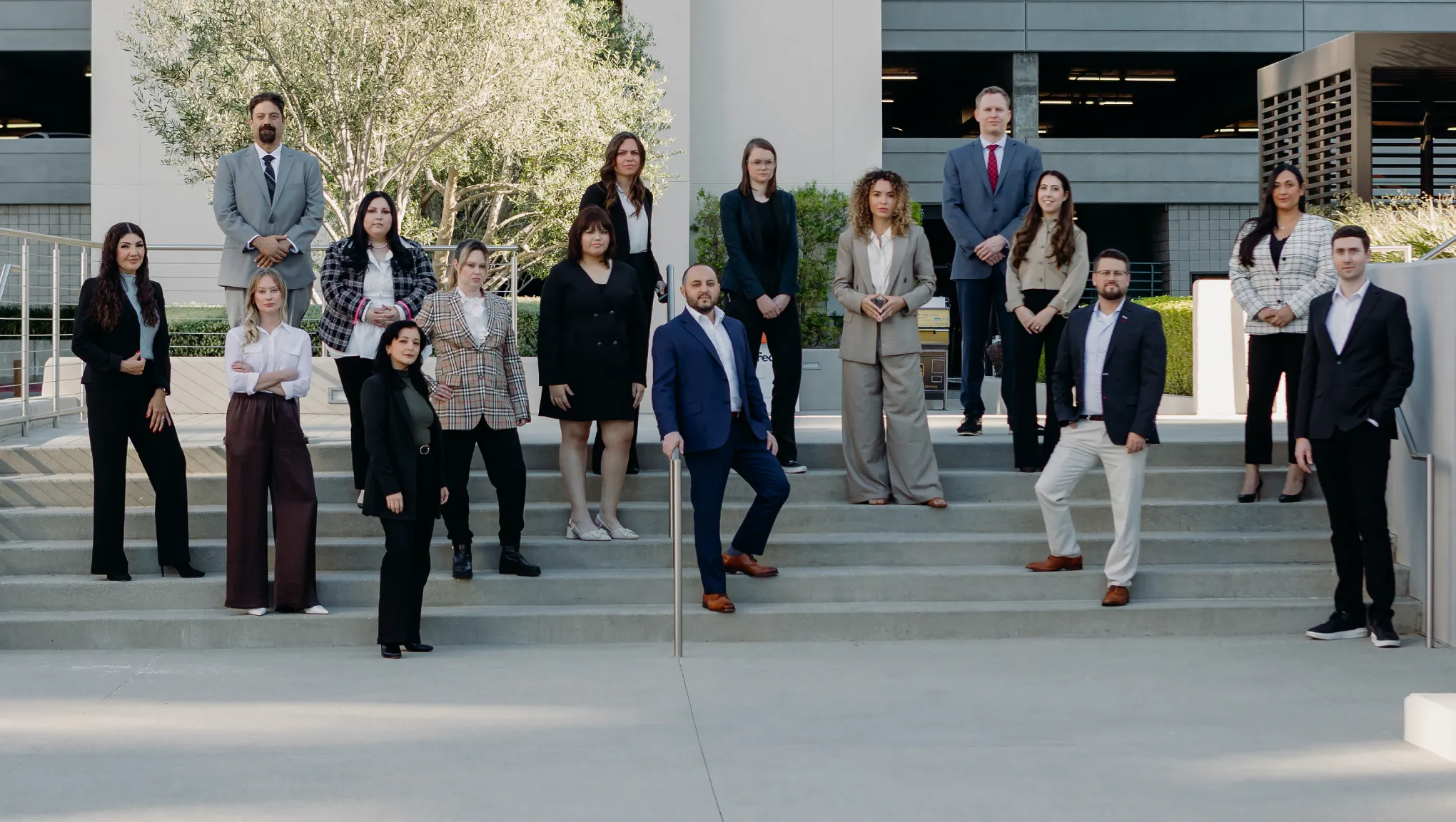
1
Kirsten Starr
Controller
2
Nicole Clancy
Senior Litigation Attorney
3
Mike Rachmann
Litigation Attorney
4
Robert Starr
Attorney, Founding Partner
5
Francine Barlavi
Client Onboarding Team
6
Danny Barlavi
Client Onboarding Team Lead
7
Kaylie Urango
Pre-Litigation Support Specialist
8
Amber Shelgren
Case Evaluation Assistant
9
Taylor McCarthy
Litigation Support Specialist
10
Gabriela Dominguez
Litigation Support Specialist
11
Cynthia Rodriguez
Case Manager
12
Collette Navasartian
Paralegal
13
Rebecca Harteker
Litigation Attorney
14
Manny Starr
Attorney, Managing Partner
15
Colin Rickard
Director of Growth & Operations
16
Mark Tieman
Attorney, Managing Partner
Why San Francisco Employees Bring Pay Disputes to Frontier Law Center Attorneys
Frontier Law Center represents employees, and that focus shapes every wage claim we handle. Our attorneys have spent more than a decade litigating California employment cases. Also, reviewing your pay stubs costs nothing and commits you to nothing.
We take these cases on contingency, so our fee comes from a recovery instead of your pocket. Our main office sits in Woodland Hills. However, wage claims go to statewide agencies and California courts, so we handle city disputes remotely. These matters run much like the Los Angeles wage and hour cases we file weekly. Meanwhile our San Francisco employment lawyer practice covers the other city rules.
What Happens When You Contact Frontier Law Center
1
You tell us your story
Free, confidential, no pressure. These conversations are handled with care and discretion. You share what happened in your own words, at your own pace.
2
We give you an honest assessment
Our attorneys review what you share and tell you plainly what we see. If a claim exists, we explain your options, the likely timeline, and what to realistically expect.
3
You decide what comes next
No obligation after the consultation. If we take your case, we work on contingency – we do not get paid unless you do. No upfront cost, ever.
Free consultation · Fully confidential · No win, no fee · No upfront cost
Questions San Francisco Employees Ask a Wage and Hour Lawyer
These come up most often once employees learn San Francisco runs its own pay rules. Each answer points at a specific ordinance provision rather than general California law.
Frontier Law Center covers all of them during a first conversation, usually in a single call.
Do I Earn San Francisco Paid Sick Leave if I Only Work in the City Two Days a Week?
Yes, you earn San Francisco paid sick leave for every hour you work inside the city. The ordinance grants one hour of leave for every 30 hours worked. Part time and temporary employees also accrue it the same way. However, employers with 10 or more employees may cap your balance at 72 hours.
Does My San Francisco Employer Have to Pay Me for an On Call Shift I Never Worked?
Yes, a covered employer owes you two to four hours of pay at your regular rate. The rule applies whenever your employer requires you to stay available and then never calls. Only a narrow set of emergencies, such as a public utility failure, excuses that payment.
How Much Predictability Pay Do I Get if My Shift Changed on Short Notice?
The amount runs from one to four hours at your regular rate. Instead, it scales to the notice you got and the shift length. For example, shorter notice and longer shifts push the premium toward the top of that range.
Can I Bring a City Ordinance Claim and a California Wage Claim at the Same Time?
Yes, city and state claims can move forward together because they rest on separate laws. One pay stub can violate the San Francisco minimum wage ordinance and California overtime law at once. Each claim runs its own route and deadline, so filing order matters.
Are Delivery and Rideshare Drivers Covered by San Francisco Wage Rules?
Coverage depends on whether the law treats you as an employee rather than a contractor. California applies the ABC test, and many drivers labeled contractors legally qualify as employees. Once that changes, city and state wage rules reach the hours you already worked.
Last Updated: September 24, 2026
The information on this page reflects the law as of the date above and is intended for general informational purposes only. It does not constitute legal advice, nor does it create an attorney-client relationship. Laws and regulations are subject to change, and individual circumstances vary. Always consult a qualified attorney for guidance specific to your situation.
Talk With a San Francisco Wage and Hour Lawyer About Your Paycheck
You do not need to calculate what you are owed before reaching out. Instead, bring your pay stubs, your schedule, and any messages about shift changes. Then a San Francisco wage and hour lawyer at Frontier Law Center will tell you honestly what looks wrong.
Reviewing a paycheck costs you nothing, while waiting can cost you years of recoverable wages. Contact Frontier Law Center to schedule a free case evaluation and learn your options.
