
A workplace injury has you dealing with pain, medical appointments, and the stress of missed work. Then your employer starts making things harder instead of easier and what you may be experiencing is workers’ compensation retaliation.
Under California law, that’s illegal. At Frontier Law Center, we represent employees across California who have been punished for filing a workers’ compensation claim, reporting an injury, or asking for accommodations they’re entitled to. Your first consultation is free and confidential.

★★★★★5/5
“There’s no doubt in my mind that I was not receiving the best service. Frontier Law Center works fast and handles issues in a direct and efficient manners. They will be my first call if I ever need help again.”
— Recent Client Review
Quick Answer
What is workers' compensation retaliation in California?
Workers' compensation retaliation occurs when an employer punishes an employee for filing a workers' compensation claim, reporting a workplace injury, or exercising any right under California's workers' comp system. Common forms include termination, demotion, reduced hours, and disciplinary write-ups that only appear after the injury. Under California Labor Code § 132a, this conduct is illegal. Employees who experience retaliation after a work-related injury may have grounds for both a 132a petition and a civil employment law claim in California.
10,000
+
Workers Helped
100
M+
Recovered
10
+
Years in Practice
What the Workers’ Compensation System Covers and Where Employment Law Begins
When you get hurt at work, two separate legal systems come into play. Most employees don’t know the difference until they’re already in the middle of it. Here’s how they break down.
The workers’ compensation system is a no-fault process that covers your medical bills and a portion of your lost income. That process runs through the California Division of Workers’ Compensation (DWC) and the Workers’ Compensation Appeals Board (WCAB). Employment law, on the other hand, covers how your employer treats you after a work-related injury. When they retaliate, cut your hours, or fire you for filing a claim, that’s where we come in.
Some clients need both types of help. Many discover that what started as a straightforward comp claim became something much more serious once their employer made it personal. We help you see the full picture from the very first conversation. For more on the types of cases we handle, visit our How We Help page.

What Workers’ Comp Retaliation Actually Looks Like
Retaliation doesn’t always arrive as a pink slip. In fact, the most common forms of retaliation for a workers’ comp claim start quietly and they often begin before you even file a formal claim.
Under California Labor Code § 132a, it is illegal for an employer to discriminate against you for filing or intending to file a workers’ compensation claim. That protection covers a wide range of adverse actions beyond termination. The law applies whether you have already filed or simply reported an injury and expressed an intent to file.
You don’t need to have all the answers.
You just need to tell us your story. We’ll figure out if it was illegal. Many of our most successful clients started by
saying “I’m not even sure I have a case.”
If any of these patterns sound familiar, you may have a legal claim. That’s exactly what our workers’ compensation attorneys are here to figure out with you.
- Fired or laid off shortly after reporting a workplace injury or filing a workers’ comp claim
- Demoted, moved to a lesser role, or stripped of responsibilities following your injury
- Hours or pay cut without a legitimate business reason after you reported the injury
- Write-ups or negative performance reviews that only appeared after you filed a claim
- Hostile treatment from a supervisor, including exclusion, increased scrutiny, or a sudden change in attitude
- Pressured to work through pain or warned not to file a formal workers’ compensation claim
- Refused return to work despite a doctor’s clearance and documented medical restrictions
- Conditions made so unbearable after your injury that leaving felt like the only option
California Law and Labor Code 132a Your Protections After a Work Injury
California has some of the strongest worker protections in the country, and several laws may apply to your situation at the same time. Understanding which ones cover your circumstances is part of what a workers’ compensation attorney or retaliation lawyer does, and part of what we do from the moment you reach out.

Labor Code § 132a Workers’ Comp Retaliation
This statute specifically prohibits employers from discriminating against workers who file a workers’ compensation claim or exercise any right under California’s workers’ comp system. Remedies under 132a run through the WCAB, but a 132a violation can also support a broader civil lawsuit depending on the full scope of what happened. The California Workers’ Compensation Information & Assistance Unit is a useful starting resource for understanding the formal comp process.
Wrongful Termination in Violation of Public Policy
When an employer fires a worker for reporting an injury or filing a claim, that termination violates California’s established public policy and it opens the door to a civil lawsuit. This path can unlock damages beyond what a 132a petition alone provides, including lost wages, emotional distress, and in some cases, punitive damages. If you were wrongfully terminated after a work injury, give us a call. Your consultation is free, and our wrongful termination page covers exactly what that process looks like.
FEHA Disability Discrimination and Reasonable Accommodation
If your injury resulted in a physical limitation, you gain a second layer of protection under the Fair Employment and Housing Act (FEHA). Employers with five or more employees must engage in a good-faith interactive process and provide reasonable accommodations before concluding that none are possible. When they skip that step or use your injury as a reason to push you out, that’s disability discrimination. The California Civil Rights Department (CRD) handles FEHA complaints and is an authoritative reference on your rights under the statute.
Workers’ Compensation Retaliation Cases We Handle in California
Workplace injuries happen in every industry, and workers’ comp retaliation follows no pattern. Our clients injured workers from a wide range of fields and circumstances share one thing: an employer who treated getting hurt as a liability rather than a human reality.
| Industry | Common Injury and Retaliation Scenarios |
|---|---|
| Warehouse & logistics | Back injuries, repetitive stress; hours cut after comp claim filed |
| Construction & skilled trades | Fall injuries, equipment accidents; fired while on medical leave |
| Healthcare & home care | Lifting injuries, patient incidents; return-to-work restrictions refused |
| Restaurant & hospitality | Slip-and-falls, burn injuries; schedule reduced after reporting injury |
| Retail & customer-facing | Repetitive stress, slip-and-falls; write-ups appearing post-injury |
| Office & corporate (incl. tech) | Ergonomic injuries, stress-related conditions; terminated during accommodation process |
If you don’t see your industry listed, reach out anyway we likely cover it. The pattern of retaliation is consistent enough across sectors that the industry rarely changes the legal analysis.
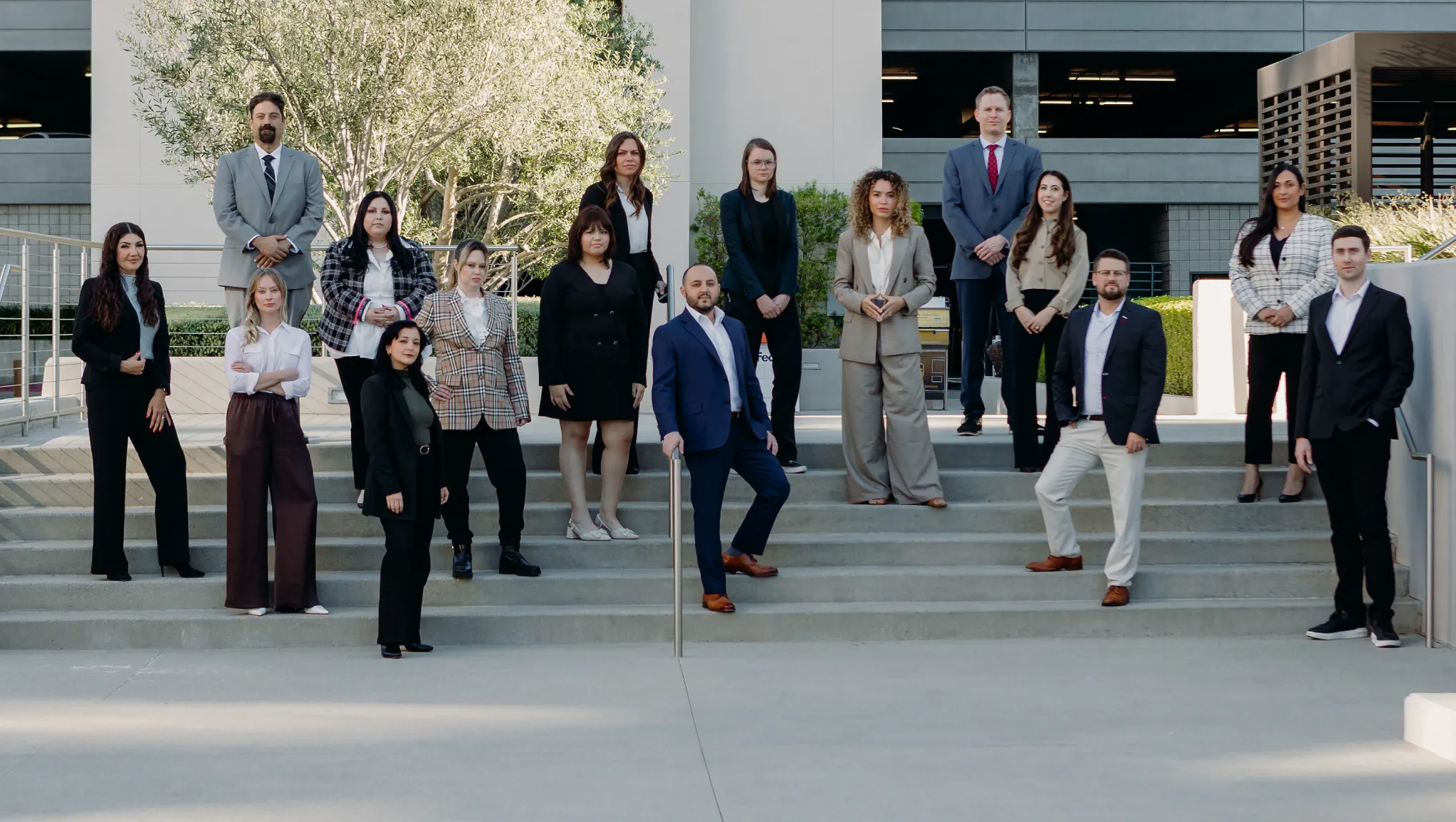
1
Kirsten Starr
Controller
2
Nicole Clancy
Senior Litigation Attorney
3
Mike Rachmann
Litigation Attorney
4
Robert Starr
Attorney, Founding Partner
5
Francine Barlavi
Client Onboarding Team
6
Danny Barlavi
Client Onboarding Team Lead
7
Kaylie Urango
Pre-Litigation Support Specialist
8
Amber Shelgren
Case Evaluation Assistant
9
Taylor McCarthy
Litigation Support Specialist
10
Gabriela Dominguez
Litigation Support Specialist
11
Cynthia Rodriguez
Case Manager
12
Collette Navasartian
Paralegal
13
Rebecca Harteker
Litigation Attorney
14
Manny Starr
Attorney, Managing Partner
15
Colin Rickard
Director of Growth & Operations
16
Mark Tieman
Attorney, Managing Partner
Who Handles Workers’ Comp Retaliation Cases at Frontier Law Center
Frontier Law Center is a plaintiff-side firm, which means we only represent employees. We exclusively represent workers in retaliation and employment law cases.
Every decision we make is focused on winning for the worker. You can learn more about how we help across all types of employment claims.
$100M
Recovered for California workers across workers’ comp retaliation, wrongful termination, and discrimination claims. Our AI-native practice means more time on your case and less on overhead. We analyze evidence faster, identify retaliation patterns more precisely, and move cases forward quicker than traditional firms. See results on our accomplishments page.

Named a 2025 finalist for Law.com’s Best Use of Artificial Intelligence alongside Baker McKenzie and King and Spalding. For injured workers facing retaliation, that means a legal team built to outpace what most employers bring.
Why California Workers Choose Frontier Law Center
If you were punished after a workplace injury, you don’t need to have everything figured out before you reach out. That’s exactly what the first call is for.
Your consultation is free and confidential. We listen, review the facts, and give you an honest read on your situation, including if we don’t think you have a strong case. Intake runs through Trailmate, our AI-powered intake agent, so you can submit documents and track progress from your phone in English or Spanish. If we take your case, you pay nothing unless we win.
Workers’ comp retaliation often connects to other claims. These pages may be relevant to your situation:
Frequently Asked Questions About Workers’ Compensation Retaliation in California
If you’re dealing with a workplace issue, it’s normal to have questions before you decide what to do next. This FAQ section covers clear, plain-English answers to the concerns we hear most from California workers. If you don’t see your situation here, our team can help you understand your options and what a smart next step looks like.
Can My Employer Fire Me for Filing a Workers' Compensation Claim in California?
No, California Labor Code § 132a explicitly prohibits employers from terminating, demoting, or otherwise discriminating against an employee because they filed a workers’ compensation claim or reported a workplace injury. If you were fired after filing a claim, you may have both a 132a petition and a wrongful termination lawsuit in civil court. Timing matters if the adverse action came shortly after your injury report or claim filing, that is often a critical piece of evidence.
Can I Be Fired While on Workers' Comp Leave in California?
Technically, California is an at-will state but at-will employment does not give employers unlimited power. Firing an employee while they are on workers’ comp leave, particularly when the timing tracks the injury or the claim, creates serious legal exposure for the employer. If the injury also qualifies as a disability under FEHA, you get an additional layer of protection on top of the workers’ compensation retaliation laws. For more context, the California Labor Commissioner’s Office is a useful resource on at-will employment limits.
What Counts as Retaliation After a Workplace Injury?
Retaliation is any adverse action an employer takes because you exercised your rights in this context, by reporting an injury or filing a workers’ compensation claim. It does not have to be a termination. Retaliation includes hour reductions, demotions, new write-ups that only appeared after your injury, hostile treatment from supervisors, exclusion from shifts, or sustained pressure to resign. Your employer’s behavior after you exercise your rights is what matters most.
What If My Employer Won't Let Me Return to Work With Restrictions?
Under California law, employers with five or more employees must engage in a good-faith interactive process and genuinely explore whether your restrictions can be accommodated. This includes considering modified duties, reduced hours, or rehabilitation-based return-to-work arrangements. A flat refusal to allow you back or a termination framed as an “inability to accommodate” can constitute disability discrimination under FEHA. The employer must at least consider light duty or a modified role before concluding accommodation isn’t feasible. If that conversation never happened, that absence itself is significant. Read more on our disability discrimination page.
What Is the Statute of Limitations for a Workers' Comp Retaliation Claim in California?
The workers’ comp retaliation statute of limitations in California depends on which type of claim you are filing. A Labor Code § 132a petition must generally be filed within one year of the retaliatory act. A civil wrongful termination lawsuit carries a two-year statute of limitations from the date of termination. A FEHA complaint must typically be filed with the California Civil Rights Department (CRD) within three years of the discriminatory act. Because these timelines run separately and can interact, speaking with a workers’ compensation attorney as soon as possible after the adverse action is the safest move.
How Much Does a Workers' Compensation Retaliation Attorney Cost in California?
Workers’ compensation attorney fees in retaliation cases work on a contingency basis, which means you pay nothing unless your attorney recovers money for you. At Frontier Law Center, your consultation is always free and confidential. Our fee comes from a percentage of your settlement or award. Many employees assume they cannot afford a lawyer, but in employment law the fee structure is designed so cost is never a barrier to getting started. Find out if you have a case today.
What Can I Recover in a Workers' Comp Retaliation Settlement in California?
Workers’ comp retaliation settlements in California can include lost wages from the date of the adverse action, future lost earnings if you cannot return to a comparable position, compensation for emotional distress caused by the retaliation, and in cases of particularly egregious employer conduct, punitive damages. If your claim involves disability discrimination under FEHA, attorney’s fees may also be recoverable. The value of any specific case depends on the facts, your wage history, and the strength of the evidence connecting the employer’s conduct to your protected activity.
Last Updated: June 01, 2026
The information on this page reflects the law as of the date above and is intended for general informational purposes only. It does not constitute legal advice, nor does it create an attorney-client relationship. Laws and regulations are subject to change, and individual circumstances vary — always consult a qualified attorney for guidance specific to your situation.
Find Out If You Have a Workers’ Comp Retaliation Case, Free and Confidential
If you were hurt at work and your employer responded by making things harder through cut hours, a demotion, or an outright firing, California law may give you real recourse. A workers’ compensation retaliation attorney can help you understand exactly what that looks like for your situation.
When you contact Frontier Law Center, our attorneys review the facts and give you a clear answer on your rights, your options, and what the evidence actually suggests. Share what happened, and we’ll tell you honestly what we see.