
Can Managers Take Tips in California or Join Your Tip Pool?
- November 10, 2026
If you are asking whether managers can take tips in California, the answer is almost always no. Under Labor Code section 351, your employer and its agents cannot keep any share of your tips. That rule still applies when a manager pitches in on the floor during a rush.
Watching someone with a manager title walk off with part of the pool feels personal, and that frustration makes sense. Frontier Law Center represents California employees in wage and hour cases, so tip disputes come up often. Below, you will see who counts as a manager and where owners and shift leads fit. You will also see what to do when your payouts keep coming up short.
Quick Answer
Can managers take tips in California?
No, managers cannot take tips in California. Owners, managers, and supervisors cannot keep any part of the tips customers leave for employees, and a required tip pool cannot pay them a share, even when they serve customers too. Courts allow one narrow exception for shift supervisors who split a shared tip jar for the same service work as the rest of the team.
Get a Free ConsultationDoes this apply to you?
- A manager, owner, or shift lead takes a share of the tip pool or tip jar.
- Your employer says managers can share tips because they help on the floor.
- Management decides the split, and nobody will show you the math.
- You asked about your tips, and your hours shrank soon after.
If two or more of these sound familiar, then see how Frontier Law Center handles tip pool claims. You can also answer a few questions with our online intake assistant to see where you stand.
Can Managers Take Tips in California if They Work the Floor?
No, managers cannot take tips in California just because they help on the floor. Instead, the tip law asks about authority, not about who carries plates. Anyone who can hire, fire, or direct the people in the pool counts as the employer’s agent. In turn, agents cannot keep any part of the tips customers leave for employees.
The Labor Commissioner reads the rule the same way, too. Its guidance on tips and gratuities says a required tip pool cannot pay owners, managers, or supervisors. That holds even when they serve tables themselves. So a general manager who runs food during a rush still has no claim on the servers’ pool.

What Makes Someone a Manager Under the Tip Law
Under California’s tip law, an agent is anyone besides the employer who can hire or fire employees. The definition also covers anyone who supervises, directs, or controls their work. That language comes from Labor Code section 350, and it turns on real power rather than a job title.
Courts look at what a person actually does each day rather than at the org chart. For example, a lead server who writes up coworkers and assigns sections may count as an agent. On the other hand, an assistant manager with no say over anyone’s job may not.

Salaried Managers Cannot Take Tips in California Either
Pay type does not change the answer. A salaried general manager and an hourly shift manager face the same limit when they hold authority over the team. That includes managers paid a bonus tied to sales, which still gives them no claim on tips. Likewise, a manager who earns less than the servers on a slow week cannot cover the gap with tips. Because the law protects the tips themselves, how a manager gets paid never matters.

Can Owners Take Tips in California if They Work Alongside You?
No, owners cannot take a share of your tips in California, even when they seat guests beside you. The tip law treats an owner as the employer, and the employer can never keep employees’ tips. Nor can an owner join a required tip pool by picking up a shift.
The same rule applies when managers take tips in California for the owner, such as a house cut. Some owners also ask the staff to tip out the house to cover breakage, comps, or card fees. That money still comes out of employees’ tips, so the same ban applies to it. Owners who want to reward themselves for a busy night have to do it from profits, not from your tips.
Small family restaurants often blur these lines, since the owner may be the busiest person on the floor. Still, the law makes no exception for small businesses or family operations. Likewise, if a relative of the owner manages the staff, the same limit reaches that relative as an agent.
Signs Managers Take Tips in California Behind Your Back
Tip skimming rarely shows up as one obvious grab. Instead, it hides in small patterns that make sense once you write them down. When managers take tips in California, the skim often happens at payout time, not at the table.
Card tips deserve an especially close look. California requires your employer to pay the full tip on the card slip, with no processing fee taken out. Those card tips are also due by the next regular payday. So short, late, or fee-trimmed card tips are a red flag worth tracking.
The warning signs listed here are the patterns tipped employees describe most often. Spotting one does not prove a violation, but it is reason enough to start keeping track. Even one or two of them, repeated over months, can add up to real money.
You do not need proof to start asking questions.
Tell us what you have noticed, and Frontier Law Center can figure out whether it crosses the line. Many tipped employees who reach out start by saying they are not sure they have a case.
Warning Signs a Manager May Be Skimming Your Tips
- Your payout drops on the nights one manager works the floor
- A manager clocks in under a server code to draw from the pool
- Card tips show up short, late, or minus a processing fee
- A manager counts cash tips behind a closed door with no one watching
- The tip report shows a vague management or house line
- You never get to see the payout sheet or the split formula
- Management asks the staff to tip out the house for breakage or comps
Who Can Share Your Tips, From Line Cooks to Shift Leads
Your employer can require you to share tips with coworkers who help serve the customer. California law calls this group the chain of service. It usually includes roles such as bussers, bartenders, food runners, and hosts. Courts have also approved pools that include back-of-house roles, such as dishwashers and line cooks. Every pool still has to be fair and reasonable, and it cannot stretch to office staff who never serve customers.
Shift leads sit in the gray zone, so the facts matter most for them. In general, a supervisor with real authority over the team cannot take money from a required pool.
However, one court allowed a narrow exception for a tip jar left for the whole team. Shift supervisors who did nearly the same work as the crew could share it by hours. That case did not cover store managers, assistant managers, or tips left for one server’s table. If you are unsure where your own role falls, compare your daily duties with your job description.
| Role | Can They Share a Required Pool? | Why |
|---|---|---|
| Servers, bussers, bartenders, food runners, and hosts | Yes, as long as the split stays fair | They serve the customer, so they belong in the chain of service |
| Dishwashers and line cooks | Yes, when part of the chain of service | Courts have also approved pools that include back-of-house roles |
| A shift lead who mostly does crew work | Can share a team tip jar | A narrow exception applies when customers tip the whole team |
| Managers and supervisors with authority over the team | No, even when they also serve | Agents cannot keep any part of the tips customers leave for employees |
| Owners | No, even when they work a shift | Owners count as the employer, so the same ban applies to them |
| Office staff or a bookkeeper | No, since they never serve customers | Instead, tips go to employees in the chain of service |
What to Do When Managers Take Tips in California
When managers take tips in California, you have more options than most tipped employees realize. Each step below builds on the one before it, and you can start the first one tonight. None of them requires you to confront your manager first.
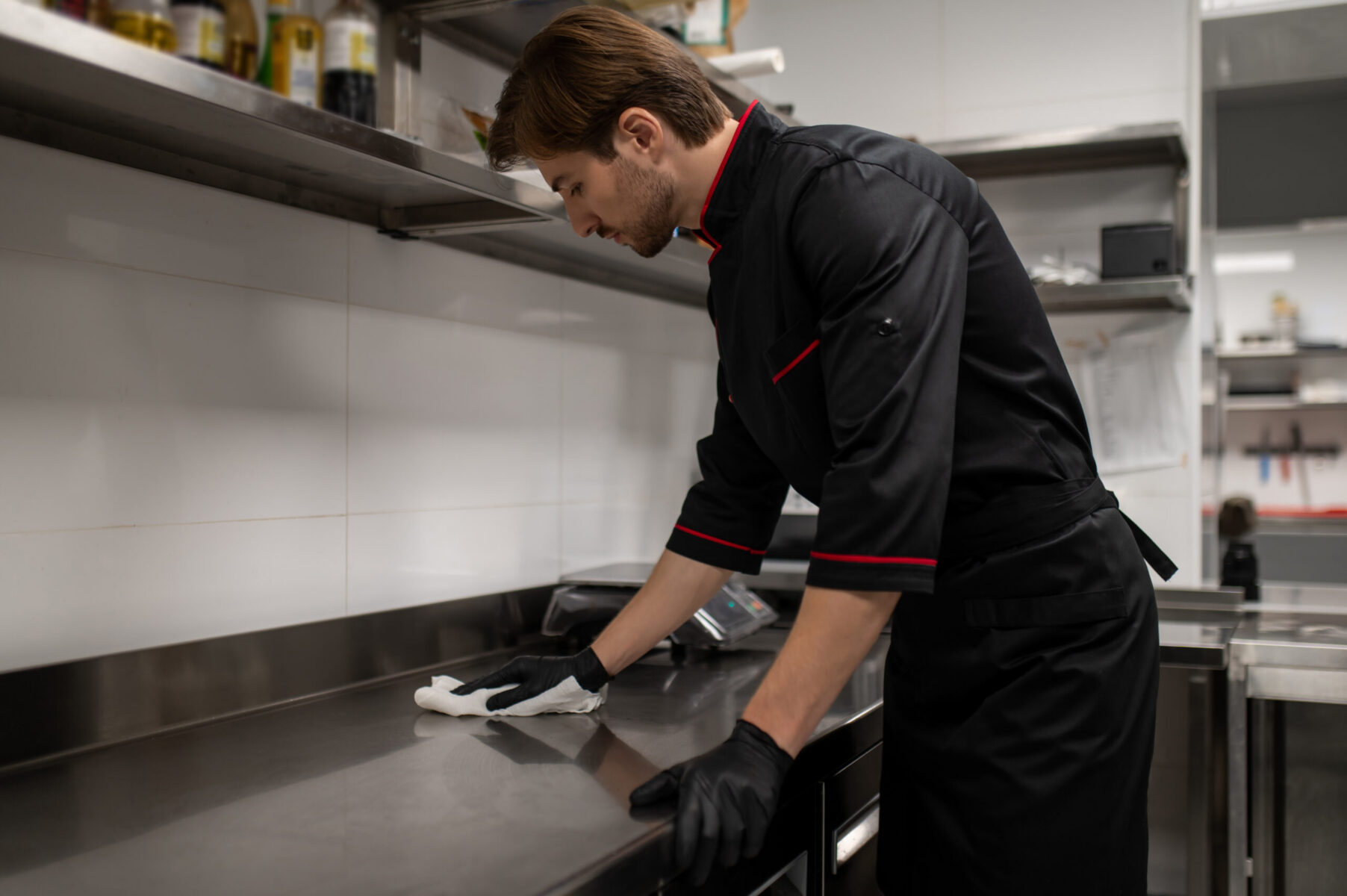
Save a Record of Every Shift and Payout
Before anything else, save your pay stubs, tip-out sheets, and schedules, and screenshot texts about the tip policy. Write down dates, amounts, and who worked each shift while the details are fresh. Keep copies somewhere outside work, such as your personal email or phone. Your employer must also keep records of the tips it receives, and your notes give an attorney something to check against them.
File a Claim When Managers Take Tips in California
You can file a wage claim with the Labor Commissioner on your own. Since January 1, 2026, that office can also investigate tip complaints and cite or sue employers over taken tips. That change gives the state real power to step in when a manager keeps dipping into the pool.
Bring the Claim With Your Coworkers
Group claims often make sense, because a manager who skims from one server often skims from the whole crew. Through PAGA and class actions, employees can pursue one case for everyone the same practice hurt. Beyond the tips themselves, PAGA can recover civil penalties too. Frontier Law Center’s wage and hour team handles these claims across California.
Act Before the Deadlines Run Out
Tip claims come with deadlines, so the sooner you act, the more of your money stays within reach. Check how long tip claims stay open and what they can recover before time runs short. Frontier Law Center can explain each option in plain language before you decide anything.
Questions About Whether Managers Can Take Tips in California
These are the follow-up questions tipped employees ask most once they know the basic rule. Each answer reflects California law as it stands in 2026.
Can Bar Managers Take Tips in California?
No, bar managers who supervise the bartenders cannot take tips in California from the bar’s tip pool. Pouring drinks on a busy night does not change that, because they still direct the team. The answer only shifts if the title means nothing and the person controls no one in the pool.
Do Assistant Managers Count as Managers for Tip Purposes?
Usually, yes, because most assistant managers can direct staff and discipline employees. California’s tip law looks at that authority rather than the word “assistant” in the title. If an assistant manager truly works as crew with no power over anyone, the answer may change. That is why the specific duties matter more than the title.
Can a Manager Take Money From a Counter Tip Jar?
A manager who supervises the counter staff generally cannot take money from the tip jar. Customers leave that money for the employees who serve them. The one narrow exception covers shift supervisors who do the same counter work and take an hourly share. The case behind that exception did not cover store managers or assistant managers.
Can My Manager Decide How the Tip Pool Gets Split?
Yes, your employer can set the rules for splitting a required tip pool, and a manager often applies them. However, the split has to be fair and reasonable, and it can only pay employees in the chain of service. Management can never route any share of the pool to itself.
Can My Employer Fire Me for Reporting a Manager Who Takes Tips?
No, California law bars your employer from firing or punishing you for reporting tip theft. That protection covers a complaint to a supervisor, to HR, or to the Labor Commissioner’s Office. If you face payback, you generally have one year to file a retaliation complaint with that office.
Your Tips Belong to You. Find Out If a Manager Took Them.
Every shift a manager dips into the pool takes money you already earned, and it rarely stops on its own. Frontier Law Center can tell you whether the way managers take tips at your job breaks California law.
Contact Frontier Law Center to schedule a free consultation about your tips.
More Blogs

Can You Be Fired for Missing Work Because of Pregnancy in California?
Can You Be Fired for Missing Work Because of Pregnancy in California?

California Restaurant Break Laws and What the Whole Staff Can Recover
California Restaurant Break Laws and What the Whole Staff Can Recover

What the California 10-Minute Break Law Requires and What Missed Breaks Pay
What the California 10-Minute Break Law Requires and What Missed Breaks Pay

Is Working Off the Clock in California Legal Even If You Volunteer?
Is Working Off the Clock in California Legal Even If You Volunteer?

Signing a Severance Agreement Over 40 Gives You Rights Younger Employees Do Not Have
Signing a Severance Agreement Over 40 Gives You Rights Younger Employees Do Not Have

Can You Still Sue After Signing a Severance Agreement in California?
Can You Still Sue After Signing a Severance Agreement in California?